

How to install the Plastic Film Horizontal Dewaterer?
As a reliable supplier of plastic processing equipment, I'm excited to share a detailed guide on how to install the Plastic Film Horizontal Dewaterer. This equipment is a game - changer in the plastic recycling industry, efficiently removing water from plastic films. Whether you're a seasoned professional in the plastic recycling business or just getting started, this guide will walk you through the installation process step by step.
Pre - Installation Preparation
Before you start the installation, it's crucial to make the necessary preparations. First, select a suitable location for the Plastic Film Horizontal Dewaterer. The site should be flat and have sufficient space to accommodate the equipment and allow for easy access for operation and maintenance. The floor should be able to support the weight of the dewaterer, which can vary depending on the model and capacity.
Check the power supply requirements of the dewaterer. Our Plastic Film Horizontal Dewaterer is designed to work with specific voltage and frequency. Ensure that the electrical system at the installation site meets these specifications. It's also advisable to install a dedicated circuit for the dewaterer to prevent electrical interference and ensure stable operation.
Gather all the necessary tools for the installation. Common tools may include wrenches, screwdrivers, and measuring tapes. Make sure you have the installation manual provided by the manufacturer. This manual contains detailed instructions, diagrams, and safety information that are essential for a successful installation.
Unpacking and Inspection
Once you've received the Plastic Film Horizontal Dewaterer, carefully unpack the equipment. Check for any visible damage during transportation. If you notice any dents, scratches, or missing parts, contact our customer service immediately. We take pride in delivering high - quality products, and we'll do our best to resolve any issues promptly.
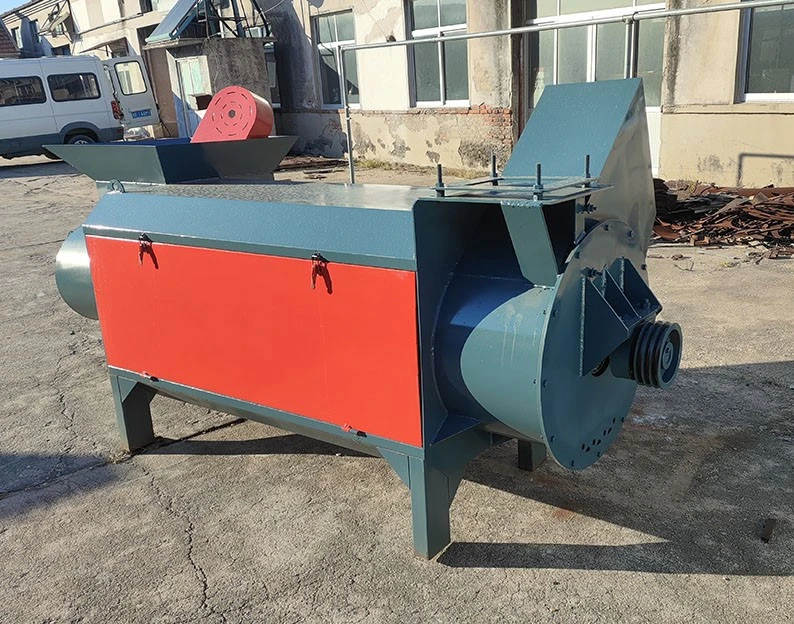
Inspect the components of the dewaterer. The main components typically include the dewatering drum, motor, conveyor belt, and control panel. Ensure that all parts are in good condition and that there are no loose connections. Familiarize yourself with the different parts of the equipment by referring to the installation manual.
Installation Steps
Step 1: Positioning the Dewaterer
Place the dewaterer on the pre - selected location. Use a level to ensure that the equipment is perfectly horizontal. This is important for the proper functioning of the dewatering drum and the conveyor belt. If the dewaterer is not level, it may cause uneven wear on the components and affect the dewatering efficiency.
Step 2: Connecting the Conveyor Belt
The conveyor belt is used to feed the plastic films into the dewaterer. Connect the conveyor belt to the inlet of the dewaterer according to the manufacturer's instructions. Make sure the belt is properly aligned and tensioned. An improperly tensioned belt may slip or cause excessive wear, reducing the overall performance of the dewaterer.
Step 3: Connecting the Electrical System
Carefully connect the dewaterer to the power supply. Follow the wiring diagram in the installation manual to ensure correct connections. It's important to use the appropriate wire gauge for the electrical connections to prevent overheating and electrical hazards. After making the connections, double - check to ensure that they are tight and secure.
Step 4: Installing the Drainage System
The Plastic Film Horizontal Dewaterer generates a significant amount of water during the dewatering process. Install a proper drainage system to collect and discharge the water. Connect the drainage pipe to the outlet of the dewaterer. Ensure that the drainage system has a proper slope to allow for efficient water flow.

Step 5: Testing the Equipment
Before starting full - scale operation, conduct a test run of the dewaterer. Turn on the power and check if all the components are working properly. Listen for any abnormal noises, which may indicate a problem with the motor or other parts. Check the conveyor belt for smooth movement and the dewatering drum for proper rotation.
Troubleshooting and Maintenance Tips
Even with proper installation, you may encounter some issues during the operation of the Plastic Film Horizontal Dewaterer. Here are some common problems and solutions:
- Low dewatering efficiency: This may be caused by a clogged dewatering drum or an improper feed rate. Clean the dewatering drum regularly and adjust the feed rate to ensure optimal performance.
- Conveyor belt slipping: Check the tension of the conveyor belt. If it's too loose, adjust the tension according to the manufacturer's instructions.
- Electrical problems: If you experience any electrical issues, such as the dewaterer not starting or tripping the circuit breaker, check the electrical connections and the power supply. If the problem persists, contact a professional electrician.
Regular maintenance is essential to keep the dewaterer in good working condition. Clean the equipment regularly to prevent the accumulation of plastic residues and debris. Lubricate the moving parts as recommended in the maintenance manual. Inspect the components regularly for wear and tear and replace any damaged parts promptly.
Comparison with Other Dewatering Equipment
In the plastic recycling industry, there are several types of dewatering equipment available. Our Plastic Film Horizontal Dewaterer offers several advantages over other options, such as the Plastic Flake Horizontal Dewaterer and the Vertical Centrifugal Dewatering Machine.
The Plastic Film Horizontal Dewaterer is specifically designed for plastic films. It has a gentle dewatering process that minimizes damage to the films, which is crucial for maintaining the quality of the recycled plastic. In contrast, the Plastic Flake Horizontal Dewaterer is more suitable for plastic flakes, and the Vertical Centrifugal Dewatering Machine uses centrifugal force to remove water, which may be more aggressive and cause more damage to delicate plastic films.
Why Choose Our Plastic Film Horizontal Dewaterer
Our dewaterer is built with high - quality materials and advanced technology. It offers high dewatering efficiency, low energy consumption, and reliable performance. We also provide excellent after - sales service, including technical support and spare parts supply.
If you're in the market for a plastic film dewatering solution, we encourage you to consider our Plastic Film Horizontal Dewaterer. Our team of experts is ready to assist you with the installation, operation, and maintenance of the equipment. Whether you have a small - scale recycling operation or a large - industrial facility, our dewaterer can meet your needs.
Contact Us for Purchase and Consultation
Ready to take your plastic recycling process to the next level? We're here to help. If you have any questions about the Plastic Film Horizontal Dewaterer, its installation, or any other related concerns, don't hesitate to contact us. We can provide you with detailed product information, pricing, and customized solutions based on your specific requirements.
Investing in our Plastic Film Horizontal Dewaterer is a smart choice for your business. It will not only improve the efficiency of your plastic recycling process but also contribute to a more sustainable environment. Reach out to us today and let's start a conversation about how our equipment can benefit your operations.
References
- Manufacturer's Installation Manual for Plastic Film Horizontal Dewaterer
- Industry best practices for plastic recycling equipment installation and operation