

How does a plastic screw feeder work?
Hey there! As a supplier of Plastic Screw Feeders, I'm stoked to break down how these nifty machines work. Plastic screw feeders are a crucial part of many plastic processing operations, ensuring a smooth and consistent flow of plastic materials. Let's dive right in!
The Basics of a Plastic Screw Feeder
At its core, a plastic screw feeder is a device that uses a rotating screw to move plastic materials from one place to another. The screw is typically housed in a tube or barrel, and as it rotates, it grabs the plastic particles and transports them along the length of the barrel. This continuous movement allows for a controlled and precise feeding of plastic materials into various processing equipment, like injection molding machines or extruders.
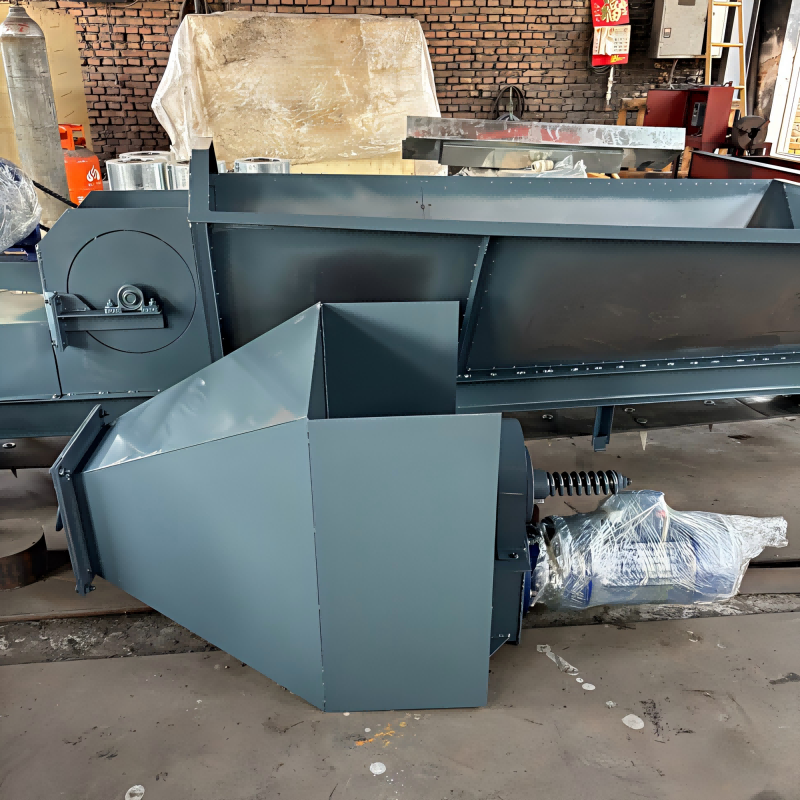
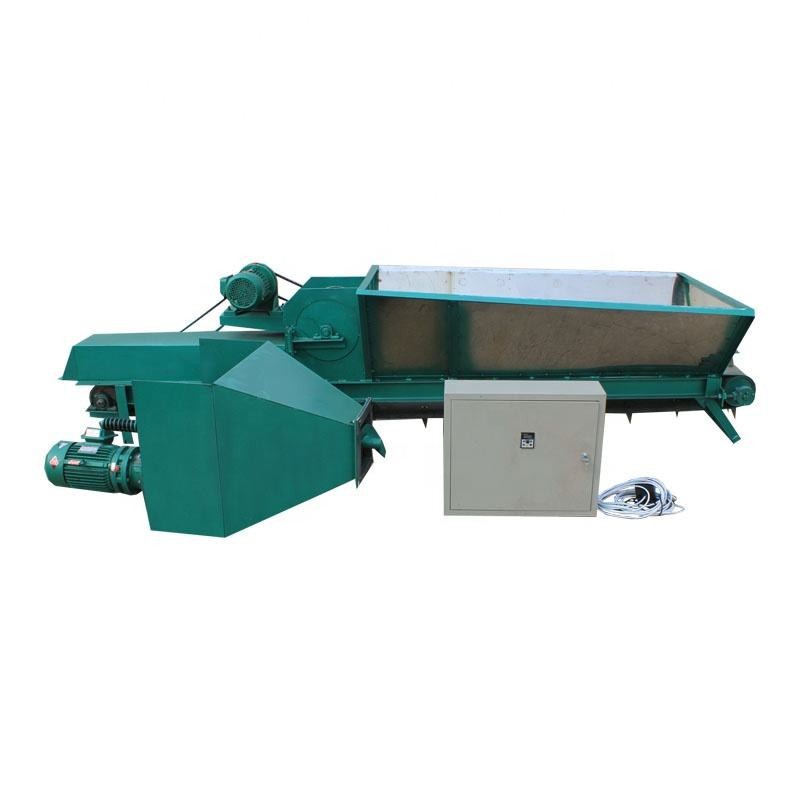
The design of the screw plays a vital role in how the feeder operates. The pitch, or the distance between the threads of the screw, determines how much material is moved with each rotation. A larger pitch will move more material, while a smaller pitch provides more control and precision. The shape of the screw also matters. Some screws have a constant pitch, while others have a variable pitch, which can be adjusted to optimize the feeding process for different types of plastic materials.
How the Feeding Process Works
The feeding process starts with the plastic materials being loaded into the hopper of the screw feeder. The hopper is a container that holds the plastic particles until they are ready to be fed into the system. Gravity helps to move the materials down towards the screw.
Once the plastic reaches the screw, the rotation of the screw begins to push the material forward. The screw's threads act like a conveyor belt, gripping the plastic particles and moving them along the barrel. As the material moves forward, it is compressed and compacted, which helps to ensure a consistent flow.
The speed of the screw can be adjusted to control the rate of feeding. By increasing or decreasing the rotational speed of the screw, you can regulate how much plastic is fed into the processing equipment. This is important because different processes require different amounts of plastic, and being able to adjust the feeding rate ensures that the process runs smoothly and efficiently.
Components of a Plastic Screw Feeder
Let's take a closer look at the main components of a plastic screw feeder:
- Hopper: As mentioned earlier, the hopper is where the plastic materials are stored before they are fed into the system. It is usually designed to prevent the materials from bridging or clogging, which can disrupt the feeding process.
- Screw: The screw is the heart of the feeder. It is responsible for moving the plastic materials along the barrel. The screw can be made from different materials, such as stainless steel or carbon steel, depending on the requirements of the application.
- Barrel: The barrel is the housing that surrounds the screw. It provides a pathway for the plastic materials to move through and helps to contain the material as it is being transported. The barrel can be heated or cooled, depending on the type of plastic being processed, to ensure that the material remains in the right state for feeding.
- Drive System: The drive system is what powers the rotation of the screw. It can be an electric motor, a hydraulic motor, or a pneumatic motor, depending on the specific design of the feeder. The drive system allows for precise control of the screw's speed and torque.
- Control Panel: The control panel is where the operator can adjust the settings of the feeder, such as the screw speed, the feeding rate, and the temperature of the barrel. It provides a user-friendly interface for monitoring and controlling the feeding process.
Advantages of Using a Plastic Screw Feeder
There are several advantages to using a plastic screw feeder in your plastic processing operations:
- Consistent Feeding: A screw feeder provides a consistent and uniform flow of plastic materials, which is essential for maintaining the quality and consistency of the final product.
- Precise Control: The ability to adjust the screw speed and feeding rate allows for precise control over the amount of plastic being fed into the system. This helps to optimize the process and reduce waste.
- Versatility: Plastic screw feeders can be used with a wide variety of plastic materials, including pellets, powders, and granules. They can also be customized to meet the specific requirements of different applications.
- Efficiency: By automating the feeding process, a screw feeder can improve the efficiency of your operations and reduce labor costs. It can also help to increase the throughput of your processing equipment.
Applications of Plastic Screw Feeders
Plastic screw feeders are used in a variety of industries and applications, including:
- Injection Molding: In injection molding, a screw feeder is used to feed plastic materials into the injection molding machine. The precise feeding of the materials ensures that the mold is filled evenly and that the final product has the desired shape and quality.
- Extrusion: In extrusion processes, a screw feeder is used to feed plastic materials into the extruder. The continuous feeding of the materials allows for the production of long, continuous plastic products, such as pipes, tubes, and sheets.
- Blending and Mixing: Screw feeders can be used to blend and mix different types of plastic materials. By controlling the feeding rate of each material, you can achieve a consistent and homogeneous mixture.
- Recycling: In plastic recycling operations, a screw feeder is used to feed recycled plastic materials into the recycling equipment. The feeder helps to ensure a steady flow of materials and can improve the efficiency of the recycling process.
Related Equipment
If you're in the market for plastic feeding equipment, you might also be interested in some related products:
- Plastic Automatic Feeding Machine: This machine is designed to automatically feed plastic materials into processing equipment, providing a more efficient and convenient way to handle the feeding process.
- Forced Feeding Machine: A forced feeding machine is used when the plastic materials need to be fed under pressure. It can be used in applications where the material is difficult to feed or where a high feeding rate is required.
- Plastic Belt Conveyor: A plastic belt conveyor is used to transport plastic materials from one place to another. It can be used in conjunction with a screw feeder to provide a more comprehensive feeding solution.
Contact Us for Purchasing
If you're interested in learning more about our Plastic Screw Feeders or have any questions about how they work, don't hesitate to reach out. We're here to help you choose the right equipment for your specific needs and ensure that you get the most out of your plastic processing operations. Whether you're a small business or a large industrial manufacturer, we have the expertise and experience to provide you with a high-quality solution. So, drop us a line and let's start a conversation about how we can help you improve your plastic feeding process.
References
- Smith, J. (2020). Plastic Processing Handbook. Publisher X.
- Johnson, A. (2019). Advances in Plastic Feeding Technology. Journal of Plastic Engineering, 15(2), 123-135.