


Plastic Feeding Equipment
Short Introduction
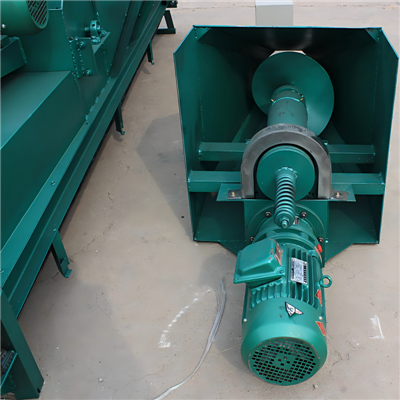
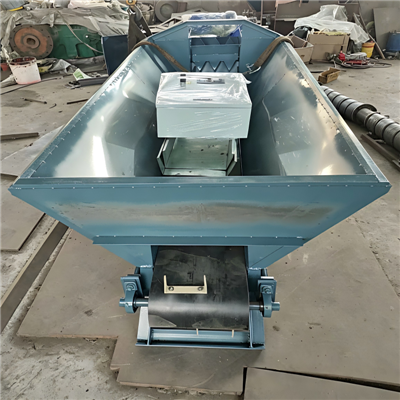
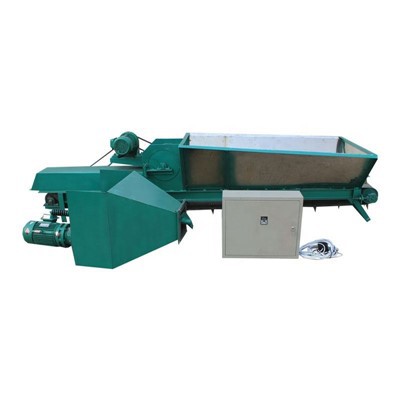
Industrial plastic feeding equipment meters, conveys, and delivers polymer raw materials into extruders, injection molding machines, and compounding lines. This machinery handles virgin pellets, flaky regrind, high-percentage PCR (post-consumer resin), powders, and liquid additives. Accurate volumetric and loss-in-weight gravimetric systems maintain consistent parts weight, stabilize extrusion pressure, and prevent resin starvation in continuous manufacturing environments.

Equipment Range
Gravimetric Loss-in-Weight Feeders
Continuous or batch weighing systems utilizing load cells and PLC algorithms to control feeding rates by weight per unit time, achieving dosing accuracies within plus or minus 0.1 percent to 0.5 percent.
Volumetric Screw Feeders
Fixed-displacement auger systems driven by variable-speed gear motors, suited for free-flowing virgin pellets and masterbatch where exact weight control is secondary.
Vacuum Loaders (Standalone and Central)
Single-phase and three-phase pneumatic conveying units equipped with brushless carbon-brush motors or side-channel blowers to transport pellets from floor bins to machine-mounted hoppers.
Batch Blenders and Multi-Component Feeders
Gravimetric multi-stream blenders combining up to six ingredients simultaneously, integrating loss-in-weight modules for masterbatch and additives with volumetric slides for main resin streams.
Suitable Materials
Virgin Pellets: Polypropylene (PP), High-Density and Low-Density Polyethylene (HDPE and LDPE), Polyethylene Terephthalate (PET), Acrylonitrile Butadiene Styrene (ABS), and Polyamide (PA6 and PA66).
Regrind and Flakes: Post-industrial and post-consumer washed PET flakes, rigid HDPE regrind, and LDPE agricultural film shreds with variable bulk densities.
Powders and Additives: Calcium carbonate (CaCO3) fillers, titanium dioxide (TiO2) pigments, talc, flame retardants, and foaming agent masterbatches.
Engineering Compounds: Glass-filled (10 percent to 50 percent GF), carbon-fiber reinforced, and mineral-filled engineering thermoplastics.
Sheet and Film Extrusion: Multi-layer cast and blown film lines requiring precise multi-component co-extrusion layer ratios and stable throughput to maintain micron-level gauge tolerances.
Compounding and Masterbatch Production: High-throughput twin-screw extrusion compounding plants dosing base resins, reinforcement fibers, and liquid additives simultaneously.
Injection Molding: Automated cell integration delivering dried engineering resins directly to the barrel throat to eliminate moisture absorption and short shots.
Plastics Recycling and Pelletizing: Washing and pelletizing lines feeding irregular post-consumer flakes and pulverized film waste into degassing extruders.
How It Works
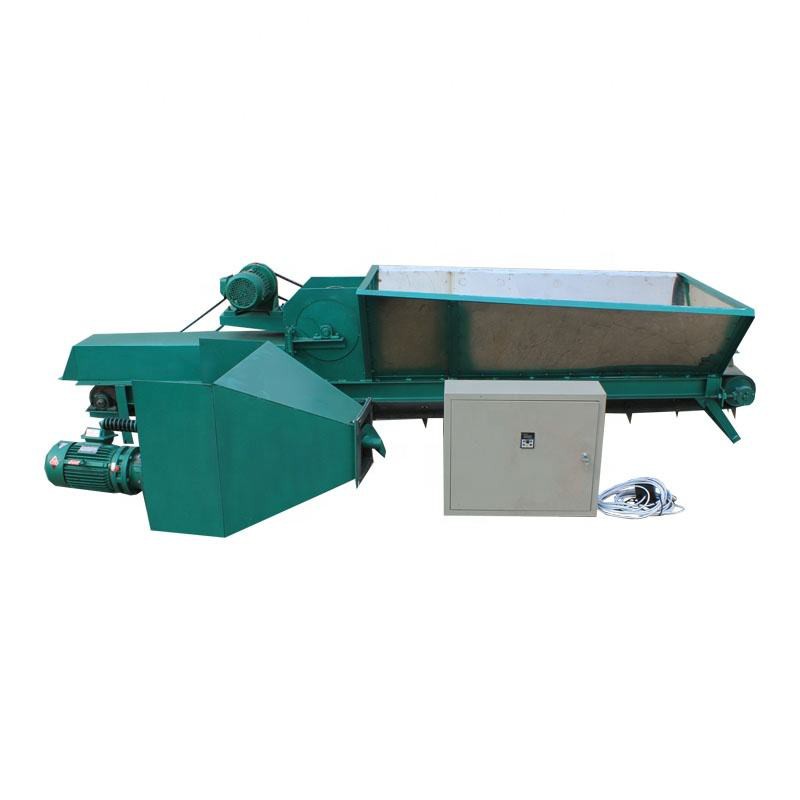
Material Intake: Raw material is drawn into the hopper via vacuum suction or loaded manually into a stainless steel surge bin equipped with high and low capacitive level sensors.
Agitation and Conditioning: For non-free-flowing materials like flakes and powders, vertical agitators or paddle stirrers rotate inside the hopper to eliminate bridging, rat-holing, and bulk density variations.
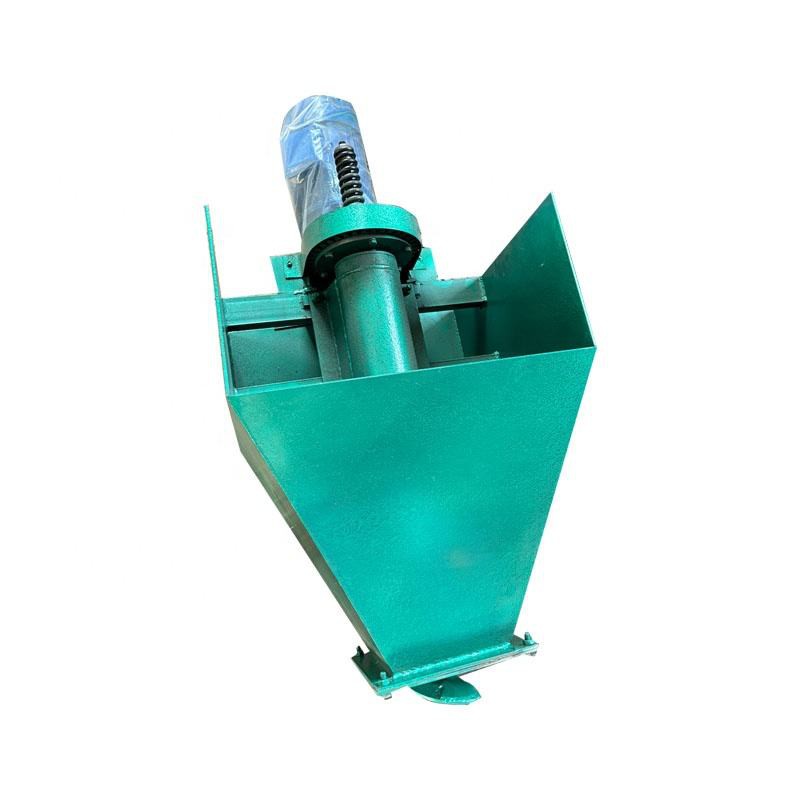
Metering Delivery: Material drops into the flight of a precision-machined single or twin auger screw. The variable-frequency drive controls screw rotation speed based on feedback signals.
Weighing and Correction (Gravimetric): The entire feeding hopper and drive assembly rests on high-precision strain-gauge load cells. The PLC calculates mass loss per unit time over time intervals at rates up to 100 Hertz, dynamically correcting auger speed to compensate for bulk density fluctuations.
Discharge: Metered polymer falls through the throat adapter directly into the processing machine's feed opening.
Determine Feeding Mode
Select Gravimetric Loss-in-Weight for high-value engineering plastics, masterbatch dosing, and strict tolerance profiles. Select Volumetric for high-volume, non-critical virgin pellet feeding where cost efficiency takes precedence.
Calculate Throughput Requirements
Multiply maximum machine hourly consumption in kilograms per hour by a 1.2 safety factor. Ensure the selected feeder's operating range sits between 30 percent and 80 percent of its maximum capacity.
Evaluate Material Rheology
Specify spiral or helix screws for free-flowing pellets; choose open-spiral or twin-screw intermeshing configurations for bridging-prone powders and sticky regrind.
Verify Construction Materials
Specify hard-chrome plated or tungsten carbide-coated contact surfaces (SS304 or SS316) when processing abrasive glass-filled resins greater than 30 percent GF or corrosive flame-retardant additives.
Check Control Integration
Confirm PLC architecture supports fieldbus communication (Modbus TCP, Profinet, Ethernet/IP) for centralized SCADA plant monitoring.
Integration with Recycling Lines
Recycling operations introduce high variability in bulk density, moisture content, and particle size distribution. Plastic feeding equipment addresses these challenges through specialized modifications:
Forced-Feed Agitation
Integrated vertical stirrer screws break apart wet or fluffy film flakes before they enter the dosing screw, preventing cavitation and feed starvation at the extruder throat.
De-dusting Hopper Design
Integrated negative-pressure suction ports capture fine dust and fines during material transfer, protecting downstream gearboxes and venting systems from clogging.
Quick-Disassembly Architecture
Tool-free quick-release clamps allow operators to detach hoppers, screws, and mixing bowls within 3 minutes for rapid purging during color or polymer grade transitions.
CNC Machining: Auger screws and housing barrels are milled on 5-axis CNC machining centers to maintain tight dimensional tolerances within plus or minus 0.02 millimeters, preventing material leakage and inconsistent volumetric output.
Dynamic Balancing: Rotating auger screws undergo dynamic balancing tests at operating speeds up to 300 RPM to eliminate mechanical vibration and bearing wear.
Load Cell Calibration: Every gravimetric load cell assembly is factory-calibrated using certified test weights across a 10-point linearity check, with calibration verification records supplied prior to shipment.
Electrical Safety Testing: Control panels undergo rigorous insulation resistance testing at 1500 Volts AC and enclosure ingress protection verification to IP54 or IP65 standards.
Overseas Supply and Support
Modular Packaging
Equipment is shipped in fumigation-free wooden crates lined with moisture-barrier VCI film and desiccants to prevent transit corrosion during ocean freight.
Standardized Electrical Spares
Control systems utilize globally sourced industrial components to ensure local sourcing availability for replacement parts.
Remote Diagnostics
Ethernet-enabled PLC controllers allow technical engineering teams to access operational logs, calibrate PID loops, and update firmware remotely across international time zones.
Documentation Package
Each shipment includes comprehensive technical manuals containing electrical schematics, PLC register maps, mechanical exploded views, compliance standards verification records, and recommended spare parts lists.
FAQ
As one of the most reliable plastic feeding equipment manufacturers in China, we warmly welcome you to buy cheap plastic feeding equipment made in China here from our factory. All customized machines are with high quality and low price. For pricelist, contact us now.
Automatic Forced Feeding Machine, Automatic Plastic Screw Feeder, Crusher Forced Feeding Equipment