

How to install a Plastic Recycling Granulator?
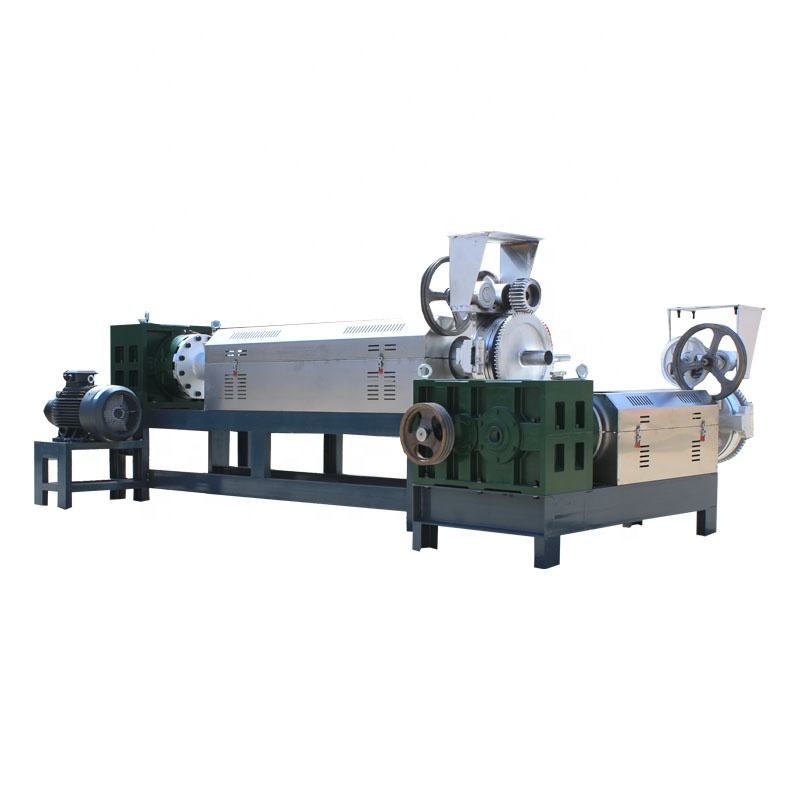
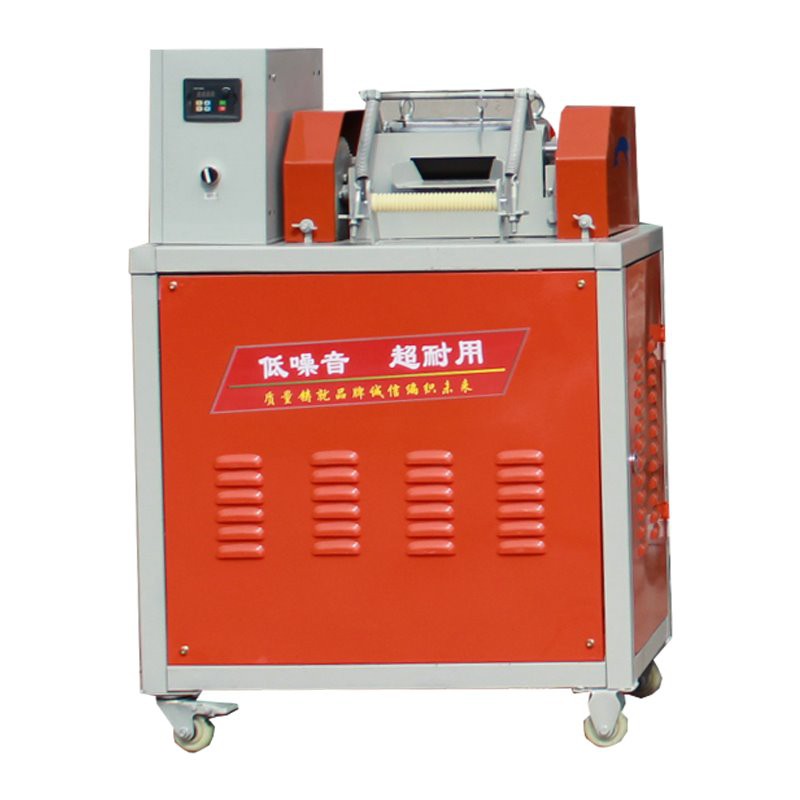
Yo, folks! I'm a supplier of Plastic Recycling Granulators, and today I wanna walk you through the process of installing one. Whether you're a newbie in the plastic recycling game or a seasoned pro looking to expand your setup, this guide'll come in handy.
Pre - installation Checks
First things first, before you even start unpacking the Plastic Recycling Granulator, make sure you've got a suitable location. You need a flat, stable floor that can support the weight of the machine. The area should also be well - ventilated because the granulator can generate some heat and fumes during operation.
Check the power supply requirements. Our Plastic Recycling Granulator click here to view is designed to work with specific voltage and frequency, so make sure your electrical system can meet those needs. You don't wanna fry the machine on the first go!
Also, gather all the tools you'll need for the installation. This usually includes wrenches, screwdrivers, and maybe a level to ensure the machine is perfectly horizontal. Having everything ready beforehand saves you a lot of time and frustration.
Unpacking and Inspection
Once you've got the right spot and tools, it's time to unpack the granulator. Be careful when opening the packaging, and check for any visible damage during transit. If you find any dents, scratches, or missing parts, contact us right away. We'll sort it out for you, no sweat.
Take a good look at all the components. You'll find the granulator body, the motor, the cutting blades, and some control panels. Familiarize yourself with each part, as it'll make the installation process much smoother.
Mounting the Granulator
Now, it's time to mount the granulator on the floor. Use the mounting holes provided on the base of the machine. Place the granulator in the desired position and align it with the holes on the floor. Insert the bolts and tighten them using a wrench, but don't over - tighten. You want it secure, but not so tight that you damage the base.
Use a level to make sure the granulator is perfectly flat. If it's not level, the machine might vibrate excessively during operation, which can lead to premature wear and tear. Adjust the bolts or use shims if necessary to get it just right.
Connecting the Electrical System
Connecting the electrical system is a crucial step, so pay close attention. First, make sure the power is off to avoid any electrical shocks. Locate the electrical connection point on the granulator. It's usually clearly marked.
Connect the power cable to the appropriate terminals. Follow the wiring diagram provided in the user manual. If you're not confident with electrical work, it's best to hire a qualified electrician. We don't want any electrical fires or short - circuits, right?
Once you've connected the power cable, double - check all the connections to make sure they're tight and secure.
Installing the Cutting Blades
The cutting blades are the heart of the Plastic Recycling Granulator. Installing them correctly is essential for efficient operation. First, clean the blade holders to remove any debris or dirt.
Carefully place the cutting blades in the holders. Make sure they're properly aligned and seated. Tighten the blade - mounting screws, but again, don't over - tighten. You want the blades to be secure but still able to rotate smoothly.
Connecting the Feeding System
Most Plastic Recycling Granulators come with a feeding system to supply plastic waste to the machine. Connect the feeding hopper to the granulator. Make sure the connection is airtight to prevent any plastic particles from escaping.
If your granulator has a conveyor belt for feeding, install it according to the instructions. Adjust the tension of the conveyor belt so that it runs smoothly without slipping.
Testing the Machine
After you've completed all the installation steps, it's time to test the machine. But before you turn it on, do a final check of all the connections and components. Make sure everything is in place and tightened properly.
Turn on the power and let the machine run for a few minutes without any plastic input. Listen for any unusual noises or vibrations. If you notice anything strange, turn off the power immediately and check for the problem.
Once the machine seems to be running smoothly, start feeding a small amount of plastic waste into the hopper. Monitor the granulation process. The plastic should be cut and granulated evenly. If you encounter any issues, such as uneven cutting or blockages, refer to the troubleshooting section of the user manual or contact our customer support team.
Maintenance Tips
To keep your Plastic Recycling Granulator in top shape, regular maintenance is a must. Clean the machine after each use to remove any plastic residue. Check the cutting blades regularly for wear and tear. If the blades are dull, replace them promptly.
Lubricate the moving parts as recommended in the user manual. This helps reduce friction and extends the lifespan of the machine.
Related Equipment
If you're looking to expand your plastic recycling setup, we also offer other related equipment. For example, our Plastic Film Pelletizer is great for processing plastic films into pellets. The Plastic Grain Cutting Machine can be used to cut plastic grains to the desired size. And if you need a complete solution, our Plastic Recycling Pelletizing Line provides a seamless operation from plastic waste input to pellet output. Also, our Strand Cutting Pelletizer is a reliable option for specific pelletizing needs.
Wrapping Up
Installing a Plastic Recycling Granulator might seem like a daunting task, but if you follow these steps carefully, you'll have it up and running in no time. And remember, if you have any questions or run into any problems during the installation or operation, our team is always here to help.
If you're interested in purchasing a Plastic Recycling Granulator or any of our other plastic recycling equipment, don't hesitate to reach out. We're ready to have a chat and discuss how we can meet your specific needs.
References
- Manufacturer's user manual for Plastic Recycling Granulator
- Industry best practices for plastic recycling equipment installation