


Plastic Pelletizing Equipment
Short Introduction
Industrial polymer granulation systems engineered to convert thermoplastic waste, film scrap, and regrind into uniform, free-flowing pellets. Built for continuous multi-shift operation, these lines integrate heavy-duty single or twin-screw extruders, continuous melt filtration, and precision cutting modules to maintain polymer melt integrity and minimize viscosity drop. Designed to meet CE and UL compliance frameworks for global deployment, supported by downloadable technical datasheets (TDS) and factory acceptance testing (FAT) video logs.

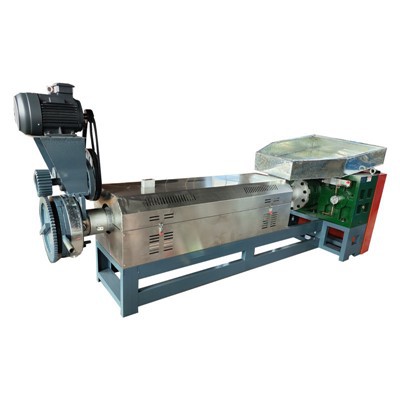
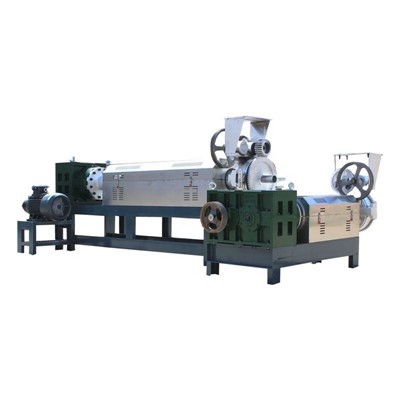
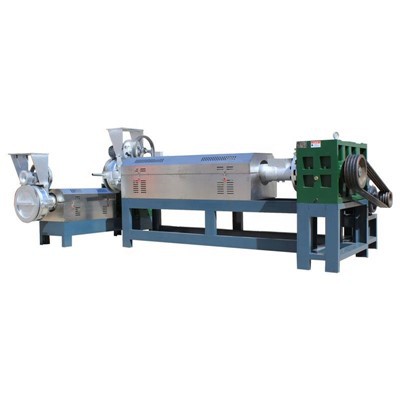
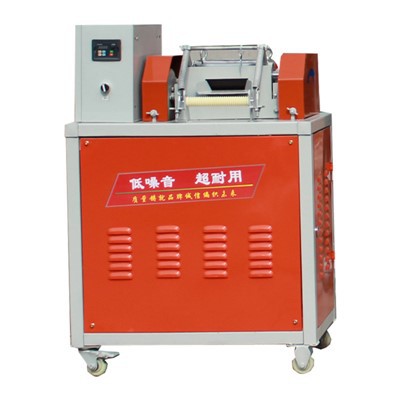
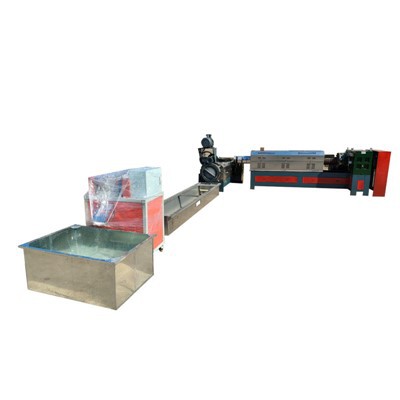
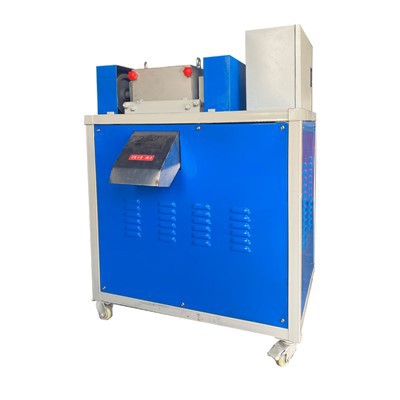
Equipment Range
Water-Ring Pelletizing Lines
Ideal for PE, PP, and PS film flakes and regrind; features direct die-face cutting with centrifugal water cooling for spherical, uniform output.
Strand Pelletizing Lines
Engineered for engineering plastics (PA, PET, PC, ABS) and heavily filled compounds; produces cylindrical pellets via water bath cooling and precision strand cutting.
Underwater Pelletizing Systems
Designed for high-throughput polyolefins and masterbatch production; molten polymer is cut directly in a closed water chamber, yielding spherical pellets with tight size distribution.
Two-Stage Cascade Extrusion Lines
Utilizes a primary degassing extruder paired with a secondary metering extruder; configured specifically for heavily printed, moist, or contaminated post-consumer films.
Suitable Materials
Films
LDPE, LLDPE, HDPE agricultural films, greenhouse covers, stretch films, and post-consumer packaging waste (BOPP, CPP, PET).
Rigids & Regrind
HDPE blow-molding bottles, PP injection crates, ABS/PS electronic housing scrap, and thick-walled automotive components.
Engineering Plastics
PA6, PA66, PC, POM, and PET factory skeletal waste with mineral fillers (talc, CaCO3, glass fiber).
Applications
Film Recycling Plants
Processing agricultural and packaging film waste into clean, high-bulk-density pellets suitable for blown film extrusion.
Rigid Plastic Reclamation
Converting mixed municipal and industrial regrind into injection-molding-grade pellets.
Masterbatch & Compounding
Dispersing pigments, UV stabilizers, and flame retardants into virgin or recycled polymer matrices.
Feeding & Compacting: Material enters a cutter-compactor (for films) or force-feeder (for regrind), where frictional heat pre-dries and densifies the polymer feed.
Plasticating & Extrusion: Material feeds into the barrel. Nitrided or bimetallic screws melt, homogenize, and pressurize the polymer melt under precise multi-zone PID temperature control.
Melt Filtration: Contaminants and degraded polymers pass through a hydraulic slide-plate or back-flush screen changer (filtration ratings from 40 to 300 mesh) to purify the melt stream.
Granulation: Filtered polymer passes through the die plate and is cut via water-ring, strand, or underwater pelletizers.
Drying & Classification: Pellets undergo centrifugal dewatering and vibration screening to remove fines and moisture before silo storage.
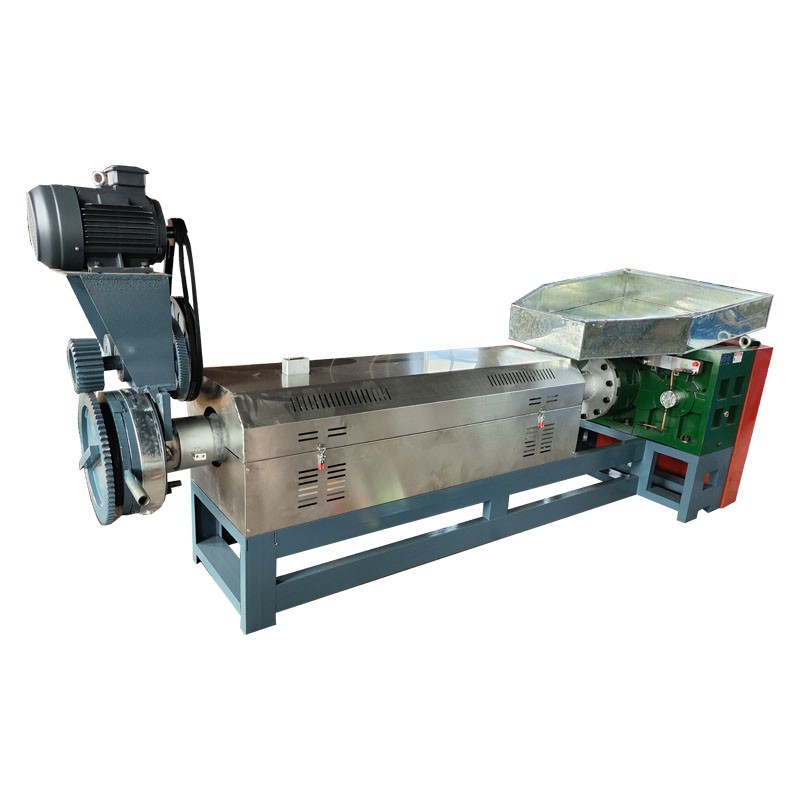
How to Choose
Match Pelletizing Method to Polymer Viscosity: Select underwater cutting for low-viscosity or high-output polyolefins; select strand pelletizing for engineering plastics sensitive to moisture or thermal shock; select water-ring systems for general film recycling.
Evaluate Moisture and Ink Load: High-moisture, heavily printed films require single-screw cascade setups with dual-vent vacuum degassing ports to eliminate porosity in final pellets.
Calculate Screw L/D Ratio: Standard recycling demands an L/D ratio of 32:1 to 36:1 for adequate devolatilization and melt homogenization.
Assess Wear Resistance Requirements: Specify bimetallic barrels (such as Ni-based alloy linings) and hardened tool-steel cutter blades when processing glass-fiber-reinforced or mineral-filled scrap.
Integration with Recycling Lines
Upstream Interface
Direct linkage with shredders, wet/dry friction washers, and mechanical squeezer dryers via controlled conveyor belts and dancer-arm force feeders.
Downstream Interface
Integration with pneumatic conveying blowers, multi-station product silos, gravimetric blending units, and automated bagging systems.
Electrical Synchronization
Centralized PLC control architecture (Siemens S7-1500 or Allen-Bradley) synchronizes line speed from the feeder to the cutter to prevent melt fracture or strand breakage.
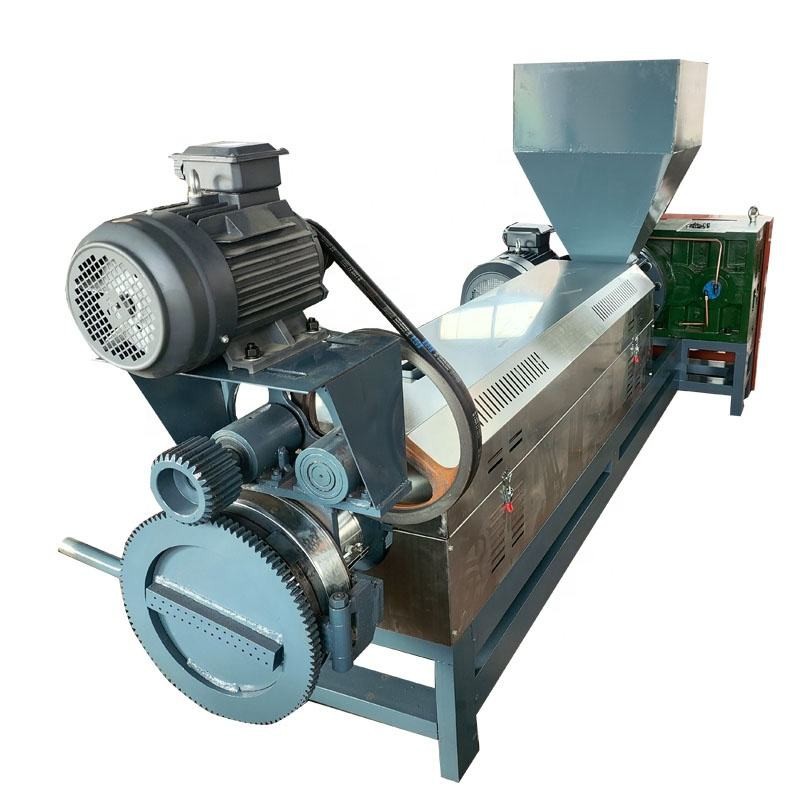
Machining Precision: Screw flights and barrel bores are CNC-machined and induction-hardened, holding geometric tolerances within +/- 0.01 mm to prevent shear degradation and melt leakage.
Weldment Stress Relief: Extruder frames and gearboxes undergo thermal annealing to eliminate residual welding stresses and prevent structural deflection under operating torque.
Factory Acceptance Testing (FAT): Every line undergoes a 4-hour dry and wet test run using client-supplied polymer samples; data logging verifies motor amp draw, melt pressure stability, and specific energy consumption (kWh/kg). Reference FAT video logs are available upon request.
Material Certification: All pressure-retaining components and material-contact surfaces are accompanied by EN 10204 3.1 material test certificates.
Overseas Supply & Support
Logistics & Rigging
Machinery ships in 40-foot high-cube containers or open-top frames, packaged with VCI anti-corrosion film and desiccant blocks for ocean transit.
Commissioning
Mechanical installation, electrical wiring, and on-site material trials are supervised by resident commissioning engineers.
Spares Availability
Critical wear components—including cutter knives, breaker plates, heater bands, and thermocouples—are stocked in regional warehouses for dispatch within 24 hours.
FAQ
As one of the most reliable plastic pelletizing equipment manufacturers in China, we warmly welcome you to buy cheap plastic pelletizing equipment made in China here from our factory. All customized machines are with high quality and low price. For pricelist, contact us now.
Hard Plastic Pelletizer, Plastic Film Recycling Pelletizer, plastic pelletizing equipment