

How much power does a plastic automatic feeding machine consume?
As a supplier of Plastic Automatic Feeding Machines, I often get asked about the power consumption of these machines. It's a crucial question, especially for businesses looking to manage their energy costs and operate in an environmentally friendly way. In this blog, I'll break down the factors influencing the power consumption of plastic automatic feeding machines and give you a better idea of how much energy they use.

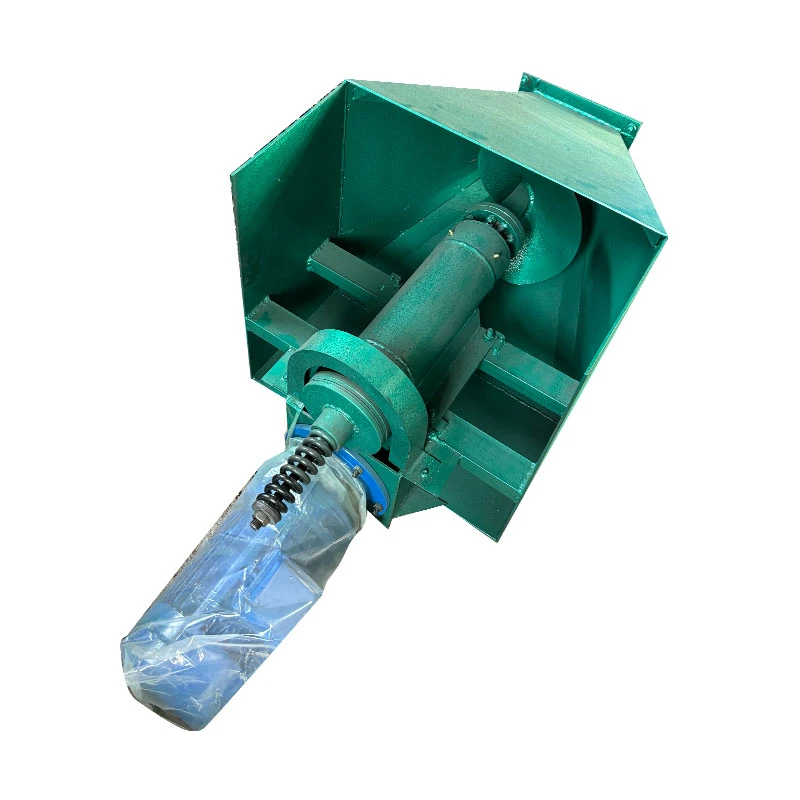
Understanding the Basics of Plastic Automatic Feeding Machines
Before we dive into power consumption, let's quickly go over what a Plastic Automatic Feeding Machine is. These machines are designed to automatically feed plastic materials into processing equipment, such as injection molding machines or extruders. They come in various types, including Plastic Belt Conveyor, Plastic Screw Feeder, and Forced Feeding Machine, each with its own unique features and functions.
Factors Affecting Power Consumption
The power consumption of a plastic automatic feeding machine depends on several factors. Here are the main ones:
Machine Size and Capacity
Larger machines with higher capacities generally consume more power. This is because they need more energy to move and process larger amounts of plastic materials. For example, a big Plastic Belt Conveyor that can handle a large volume of plastic pellets per hour will use more electricity than a smaller one.
Motor Power
The power of the motor is a significant factor. A more powerful motor can drive the machine at a higher speed and with more force, but it also consumes more energy. When choosing a plastic automatic feeding machine, you need to balance the motor power with your production requirements. If you don't need high-speed operation, a machine with a lower motor power might be sufficient and more energy-efficient.
Operating Speed
The faster the machine operates, the more power it consumes. This is because the motor has to work harder to maintain the high speed. For instance, if you set a Plastic Screw Feeder to feed plastic materials at a very high rate, it will use more electricity compared to a lower speed setting.
Material Characteristics
The type and properties of the plastic material being fed also affect power consumption. Some plastics are more viscous or have a higher density, which means the machine has to work harder to move them. For example, feeding a thick and sticky plastic resin might require more power than feeding a light and free-flowing plastic pellet.
Typical Power Consumption Ranges
It's difficult to give an exact figure for the power consumption of a plastic automatic feeding machine because it varies so much depending on the factors mentioned above. However, I can give you a general idea.
Smaller plastic automatic feeding machines, like some tabletop models, might consume around 0.5 to 2 kilowatts (kW) of power. These are suitable for small-scale production or testing purposes.
Medium-sized machines, which are commonly used in medium-sized manufacturing facilities, typically consume between 2 to 5 kW. These machines can handle a moderate volume of plastic materials and are often used for continuous production.
Larger industrial-grade plastic automatic feeding machines can consume 5 kW or more. These are designed for high-volume production and are usually used in large manufacturing plants.
Tips to Reduce Power Consumption
If you're concerned about energy costs, here are some tips to reduce the power consumption of your plastic automatic feeding machine:
Optimize Operating Speed
As mentioned earlier, the operating speed affects power consumption. Try to find the optimal speed for your production needs. Running the machine at a lower speed when possible can significantly reduce energy usage without sacrificing too much productivity.
Maintain the Machine Regularly
A well-maintained machine operates more efficiently. Make sure to clean the machine regularly, lubricate moving parts, and check for any worn-out components. This can help reduce friction and improve the overall performance of the machine, leading to lower power consumption.
Use Energy-Efficient Motors
When purchasing a plastic automatic feeding machine, look for models with energy-efficient motors. These motors are designed to use less electricity while still providing the necessary power. They might cost a bit more upfront, but they can save you money in the long run.
Comparing Different Types of Plastic Feeding Machines
Let's take a look at how the power consumption of different types of plastic feeding machines compares:
Plastic Belt Conveyor
Plastic Belt Conveyor systems are relatively energy-efficient, especially for transporting plastic materials over long distances. The power consumption mainly depends on the length and width of the conveyor belt, as well as the speed at which it operates. Smaller belt conveyors might consume around 1 to 3 kW, while larger ones can consume 3 to 7 kW.
Plastic Screw Feeder
Plastic Screw Feeder machines use a rotating screw to move plastic materials. The power consumption of a screw feeder is influenced by the diameter and pitch of the screw, as well as the speed of rotation. Generally, screw feeders consume between 1 to 5 kW, depending on their size and capacity.
Forced Feeding Machine
Forced Feeding Machine is designed to provide a high-pressure feed of plastic materials. These machines usually have a more powerful motor and consume more energy compared to other types of feeding machines. Power consumption can range from 3 to 10 kW or more, depending on the specific model and application.
Conclusion
In conclusion, the power consumption of a plastic automatic feeding machine can vary widely depending on factors such as machine size, motor power, operating speed, and material characteristics. By understanding these factors and following the tips to reduce power consumption, you can make an informed decision when choosing a machine and manage your energy costs effectively.
If you're in the market for a plastic automatic feeding machine or have any questions about power consumption, feel free to reach out. We're here to help you find the right machine for your needs and provide you with all the information you need to make a smart purchase.
References
- "Energy Efficiency in Industrial Machinery" - A general guide on energy consumption in industrial equipment.
- Manufacturer's specifications for plastic automatic feeding machines.