
Does a Plastic Recycling Granulator require special skills to operate?
Hey there! I'm a supplier of Plastic Recycling Granulators, and I often get asked if these machines require special skills to operate. Well, let's dive right into it and find out.
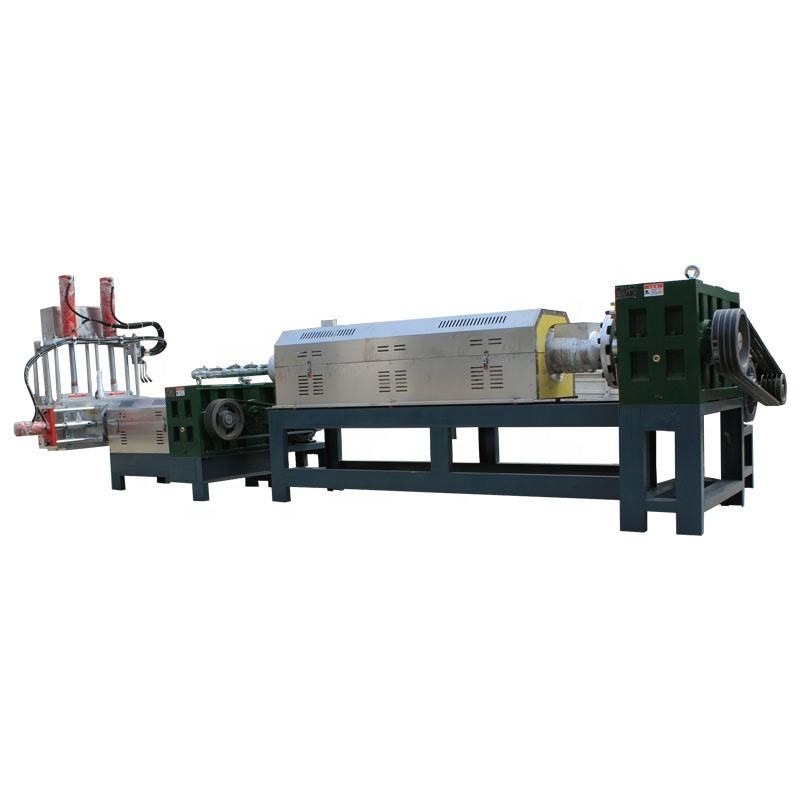
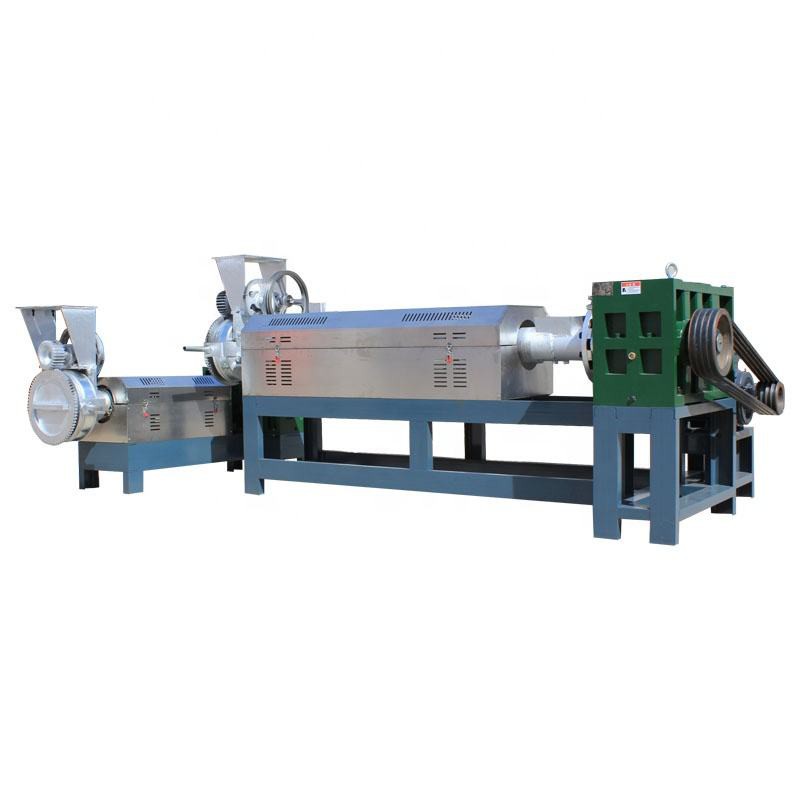
First off, what exactly is a Plastic Recycling Granulator? A Plastic Recycling Granulator is a key piece of equipment in the plastic recycling industry. It's used to break down plastic waste into small granules, which can then be reused to make new plastic products. You can check out more about it on our Plastic Recycling Granulator page.
Now, back to the question: does it need special skills? The short answer is, it depends. On one hand, the basic operation of a Plastic Recycling Granulator isn't rocket science. Most modern machines are designed to be user - friendly, with simple controls and clear instructions. You can think of it as similar to operating a kitchen blender, but on a much larger scale.
The first step in operating a Plastic Recycling Granulator is loading the plastic waste into the hopper. This doesn't require any special training. You just need to make sure the plastic pieces are of a suitable size and free from any large contaminants like metal or wood. If the plastic is too large, it might jam the machine. But you'll quickly learn what works and what doesn't with a bit of practice.
Once the plastic is in the hopper, you turn on the machine. The blades inside the granulator start to spin, cutting the plastic into smaller pieces. The speed of the blades and the size of the granules can be adjusted on some models. Adjusting these settings isn't overly complicated, but it does require some understanding of how the machine works. For example, if you want finer granules, you might need to slow down the feed rate or increase the blade speed. It's all about finding the right balance.
However, there are some aspects of operating a Plastic Recycling Granulator that do call for special skills. Maintenance is one of them. Just like any other machine, a granulator needs regular maintenance to keep it running smoothly. You need to know how to clean the machine, replace the blades when they're worn out, and lubricate the moving parts. If you don't maintain the machine properly, it can break down, and that's not only costly but also disrupts your recycling process.
Safety is another area where special skills are crucial. Working with heavy machinery like a Plastic Recycling Granulator can be dangerous if you don't know what you're doing. You need to understand the safety protocols, such as wearing the right protective gear (like gloves and goggles), and knowing how to shut down the machine in an emergency. There are also electrical and mechanical hazards associated with the machine, so having a basic knowledge of electrical and mechanical systems is a plus.
Let's talk about different types of plastic recycling granulators. We offer a Plastic Recycling Pelletizing Line, which is a more comprehensive setup that includes a granulator along with other equipment for the pelletizing process. Operating a whole line requires a higher level of skill compared to just a single granulator. You need to understand how all the components work together and how to troubleshoot any issues that might arise.
We also have Hard Plastic Pelletizer, Plastic Film Pelletizer, and Waste Plastic Pelletizer. Each type is designed for specific types of plastic waste, and operating them might require some knowledge about the properties of different plastics. For example, hard plastics are more difficult to cut than plastic films, so you might need to adjust the machine settings accordingly.
Training and support play a big role in operating a Plastic Recycling Granulator. As a supplier, we offer training programs for our customers. These programs cover everything from basic machine operation to advanced maintenance and troubleshooting. Our technicians can also provide on - site support if needed. So even if you don't have prior experience with plastic recycling equipment, you can quickly learn how to operate and maintain the machine.
In conclusion, while you don't need to be a highly trained expert to operate a Plastic Recycling Granulator, having some basic skills and knowledge is definitely beneficial. With proper training and a bit of hands - on experience, you can become proficient in operating the machine. If you're interested in getting into plastic recycling and are looking for a reliable Plastic Recycling Granulator, we're here to help. Whether you're a small business or a large industrial operation, we have the right equipment for you. Reach out to us to discuss your needs, and we can walk you through the process of purchasing and setting up the machine.
References
- Industry standards and best practices in plastic recycling equipment operation.
- Manufacturer's manuals for Plastic Recycling Granulators.
No Information