


Plastic Cleaning Equipment
Short Introduction
Industrial plastic cleaning systems remove organic residues, paper labels, adhesives, and chemical pollutants from shredded thermoplastic waste. These modular units combine mechanical friction, thermal washing, and hydrodynamic separation to produce high-purity flakes suitable for direct extrusion and compounding. Systems operate on a continuous-feed basis with integrated water filtration and closed-loop recycling loops.
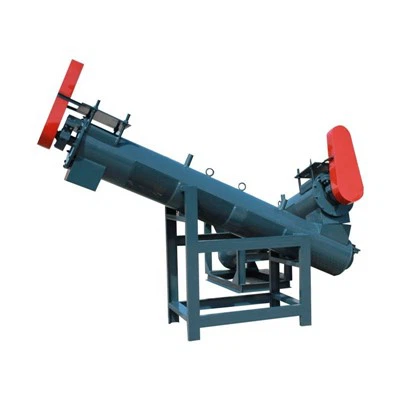
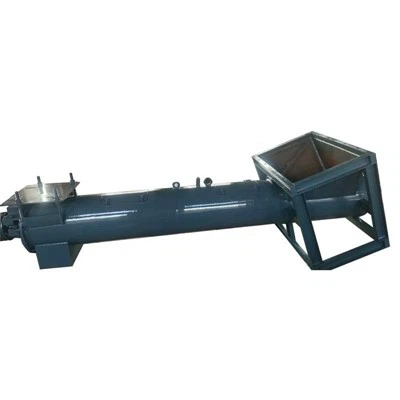
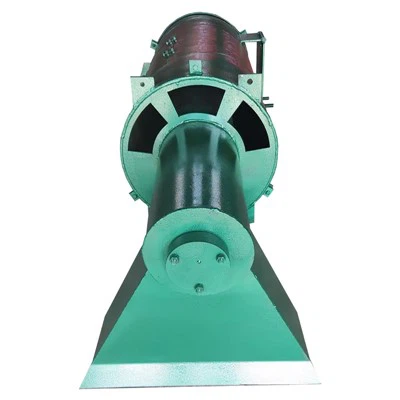
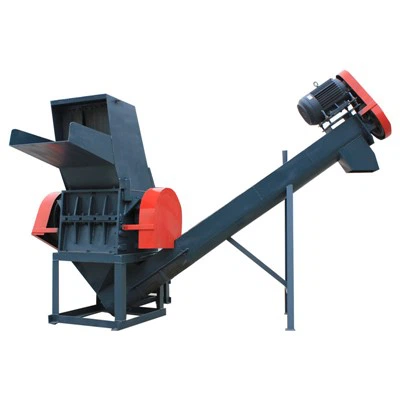
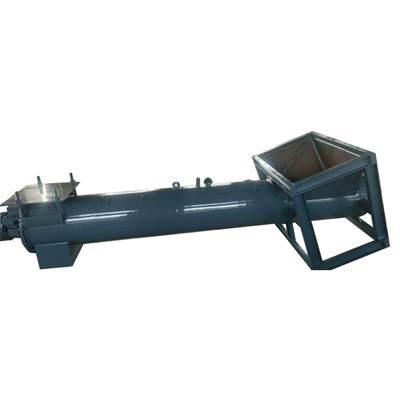
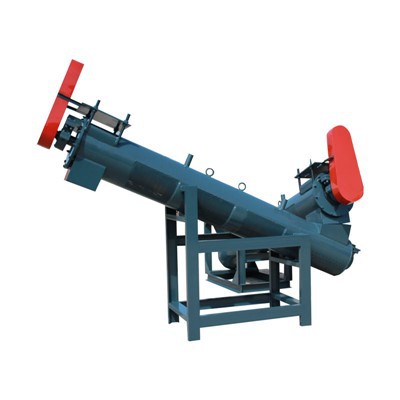
Equipment Range
Pre-Wash Trommels
Heavy-duty rotating drums for initial grit, sand, and loose debris removal via dry friction.
01
Hot Friction Washers
High-speed rotor assemblies operating at 900-1200 RPM utilizing thermal energy and caustic solutions to dissolve adhesives and surface grease.
02
Cold Water Sink-Float Tanks
Density separation units utilizing gravity differential to separate polyolefins (PE/PP, floating) from denser plastics (PET, PVC, sinking).
03
Centrifugal Dewatering Machines
High-G horizontal centrifuges designed to drop moisture content below 2 percent prior to thermal drying.
04
Friction Pulverizers / Scourers
Aggressive mechanical attrition units for stubborn film and rigid flake contamination.
05
Suitable Materials
PET
Post-consumer beverage bottles, thermoformed trays, strapping tape.
HDPE / PP
Rigid containers, milk jugs, automotive bumpers, battery cases, crates.
LDPE / LLDPE
Agricultural greenhouse films, stretch wrap, retail carry bags.
ABS / PS
Electronic housing scrap, refrigerator liners.
Applications
Bottle-to-Bottle Recycling
Processing post-consumer PET bottles into FDA-compliant food-grade rPET pellets.
Film Regranulation Lines
Washing heavily soiled agricultural film with embedded dirt and organic matter.
Automotive Shredder Residue (ASR) Upgrading
Cleaning engineering plastics recovered from end-of-life vehicles.
Rigid Packaging Reclamation
Decontaminating post-commercial crates and pails contaminated with oil or chemical residue.
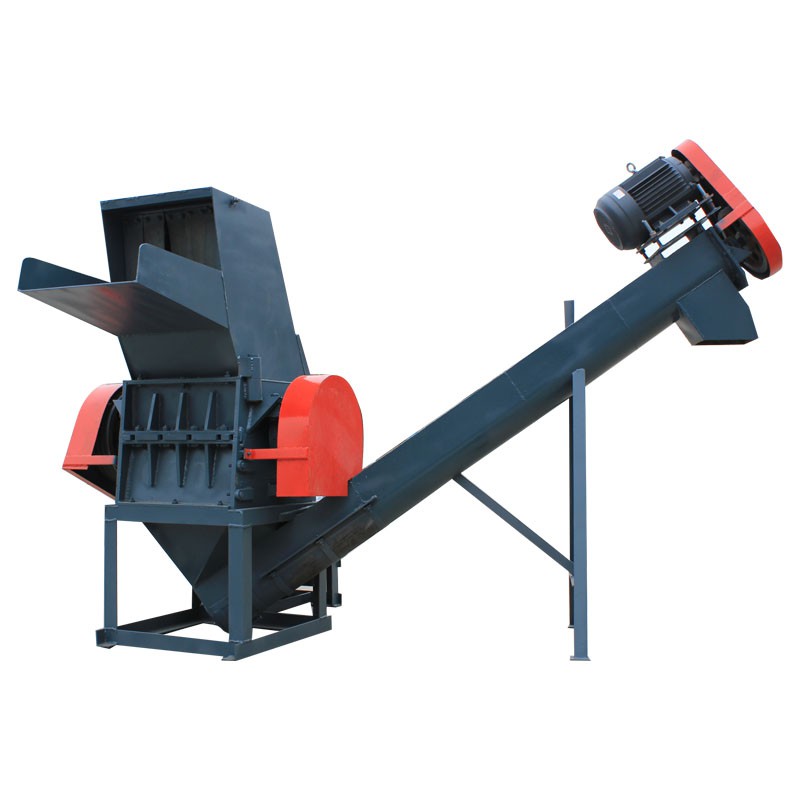
Contaminated flakes enter the primary trommel for dry debris separation. Material transfers to the hot friction washer where counter-current water sprays, chemical additives, and high-velocity rotor paddles strip surface contaminants through mechanical shear stress at 85 degrees Celsius. Slurry passes to the sink-float tank where density differentials separate impurities. The separated polymer fraction moves through a centrifugal dewatering unit, extracting surface moisture through centrifugal acceleration exceeding 800G, before final pneumatic conveyance to downstream dryers.
How to Choose
Calculate Throughput: Match system capacity (e.g., 1000 kg/h vs. 3000 kg/h) with upstream shredding and downstream pelletizing lines to prevent bottlenecks.
Assess Contamination Profile: Specify hot wash modules for adhesive/oil removal; select heavy-duty sink-float tanks for mixed polyolefin/PET streams.
Evaluate Utility Constraints: Review freshwater intake limits and wastewater treatment capacity; select closed-loop filtration systems with hydrocyclones to reduce water consumption to under 1.5 cubic meters per ton of plastic.
Verify Metallurgy: Require wear-resistant alloy coatings (e.g., tungsten carbide overlay) on rotor blades and screen meshes when processing abrasive post-consumer regrind containing glass or mineral fillers.
Integration with Recycling Lines
Slurry Conveyance
Connects directly downstream of heavy-duty wet grinders/shredders via slurry pumps or screw conveyors.
Electrical Synchronization
Synchronizes electrical control panels (PLC/HMI) with downstream agglomerators, extruders, and pelletizers to halt feed automatically during downstream faults.
Feedstock Regulation
Incorporates standardized flange connections and variable frequency drives (VFDs) to regulate material retention time based on incoming feedstock variability.
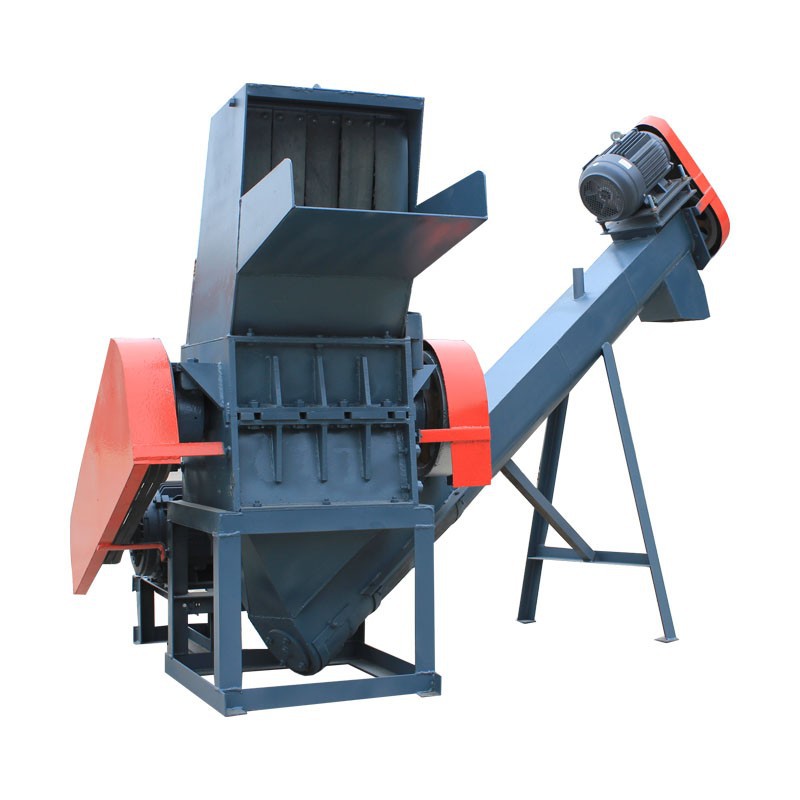
Material Traceability: Structural tanks fabricated from SUS304 or SUS316L stainless steel with verified mill test certificates.
Dynamic Balancing: Rotor assemblies dynamically balanced to ISO 1940-1 Grade G2.5 standards to eliminate vibration at operating speeds exceeding 1000 RPM.
Weld Inspection: Main water vessels subjected to 24-hour hydrostatic leak testing and non-destructive weld examinations (penetrant testing) prior to assembly.
Electrical Compliance: Control panels wired to UL508A or CE/IEC standards utilizing industrial-grade components (Siemens, Schneider, ABB).
Overseas Supply & Support
Logistics
Modular skid-mounted design fits standard 40-foot High Cube containers, minimizing ocean freight costs and on-site rigging time.
Commissioning
On-site mechanical and electrical supervision by senior process engineers during dry-run and water-load testing.
Spare Parts Inventory
Critical wear items, including friction paddles, screen baskets, and mechanical seals, stocked regionally for dispatch within 48 hours.
FAQ
As one of the most reliable plastic cleaning equipment manufacturers in China, we warmly welcome you to buy cheap plastic cleaning equipment made in China here from our factory. All customized machines are with high quality and low price. For pricelist, contact us now.
Plastic Bottle Flake Washing Machine, PP PE Plastic Washing Machine, Washing Machine For Rigid Plastic