


Plastic Auxiliary Equipment
Short Introduction
Plastic auxiliary equipment maintains material consistency and thermal control across polymer processing lines. This portfolio covers material handling, drying, blending, temperature regulation, and size reduction systems designed for continuous operation in injection molding, extrusion, and blow molding facilities. Equipment interfaces directly with central processing systems to stabilize feedstocks, minimize thermal degradation, and reduce scrap rates.


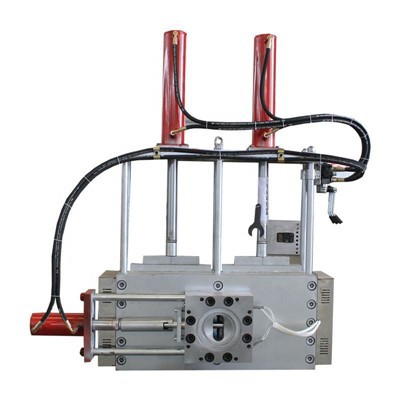
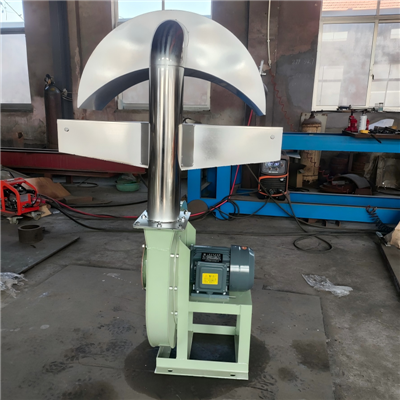
Equipment Range
Material Handling and Feeding
Vacuum loaders, volumetric and gravimetric dosing units, multi-station central feeding systems.
Drying and Crystallization
Honeycomb desiccant dryers, cabinet dryers, compressed air dehumidifying dryers, and crystallizers for PET/PLA.
Thermal Control
Water and oil circulating mold temperature controllers (TCUs), industrial chillers (air-cooled and water-cooled systems).
Size Reduction and Recycling
Slow-speed granulators, sound-proof beside-the-press crushers, and heavy-duty central shredders.
Suitable Materials
Engineering and commodity thermoplastics including ABS, PP, PE, PVC, PET, PA (Nylon), PC, POM, PBT, TPU, and fiber-reinforced engineering polymers.
Applications
Automotive
Interior trim components, under-the-hood housings, and structural brackets requiring precise glass-fiber reinforced resin handling.
Packaging
Thin-wall food containers, PET preforms, and blown film lines requiring stable high-speed throughput.
Medical and Electrical
Cleanroom enclosures, electronic connectors, and housings requiring contamination-free material conveying and drying.
How It Works
Drying
Closed-loop desiccant rotor systems continuously supply dry air with a dew point below -40 deg C into insulated hoppers, extracting surface and bound moisture from hygroscopic resins prior to plastication.
Blending
Gravimetric load cells measure weight loss per unit time, driving brushless servo augers to meter virgin material, regrind, and color masterbatch into the mixing chamber at ratios accurate to plus or minus 0.1 percent.
Temperature Control
Closed-fluid circuits circulate pressurized water or thermal oil through mold channels, utilizing PID controllers to regulate heating element output and compressor refrigerant flow within plus or minus 0.5 deg C.
How to Choose
Calculate Hourly Consumption
Multiply machine shot weight by cycle frequency, then add a 20 percent safety margin to determine required throughput (kg/hr) for loaders and dryers.
Verify Resin Dew Point Requirements
Select desiccant dehumidifiers (-40 deg C dew point) for engineering plastics like PET and Nylon; standard hot-air dryers suffice for non-hygroscopic resins like PE and PP.
Match Chiller Capacity
Determine cooling load using the formula Q equals M times C times Delta T (where M is hourly material throughput, C is specific heat capacity, and Delta T is melt-to-mold temperature drop).
Evaluate Footprint and Power
Confirm plant electrical availability (e.g., 480V/60Hz, 380V/50Hz) and verify beside-the-press clearance limits for granulators and mobile loaders.
Integration with Recycling Lines
Auxiliary systems connect directly into closed-loop factory recycling workflows. Beside-the-press granulators capture runner scrap and reject parts immediately at the molding station, passing regrind through dust-separator cyclones before vacuum loaders feed it back into proportional blending valves. Central crystallizers and drying hoppers condition post-consumer regrind prior to extrusion re-pelletizing or direct secondary molding.
Manufacturing and Quality Control
Sheet Metal Fabrication: Laser-cut stainless steel (SS304) hoppers and structural carbon steel frames welded using robotic MIG/TIG processes to eliminate structural vibration under heavy continuous loads.
Piping and Pressure Testing: Industrial water and oil circuits utilize seamless copper or stainless steel tubing, hydro-tested to 1.5 times operating pressure prior to thermal insulation installation.
Electrical Assembly: Control panels wired to IEC/UL standards, integrating industrial PLCs (Siemens, Schneider) and solid-state relays for thermal control loops.
Factory Acceptance Testing (FAT): Every unit undergoes a 4-hour continuous dry-run test, verifying sensor calibration, compressor current draw, blower airflow velocity, and safety interlock response.
Overseas Supply and Support
Logistics
Crated in ISPM 15-compliant heat-treated wooden boxes with moisture-barrier vacuum sealing for ocean freight.
Spare Parts Availability
Critical wear items—including desiccant rotor seals, heating elements, PLC modules, and granulator cutter blades—stocked regionally for 48-hour dispatch.
Technical Documentation
Supplied with English electrical schematics, PLC register maps, pneumatic diagrams, and preventative maintenance checklists.
fAQ
As one of the most reliable plastic auxiliary equipment manufacturers in China, we warmly welcome you to buy cheap plastic auxiliary equipment made in China here from our factory. All customized machines are with high quality and low price. For pricelist, contact us now.
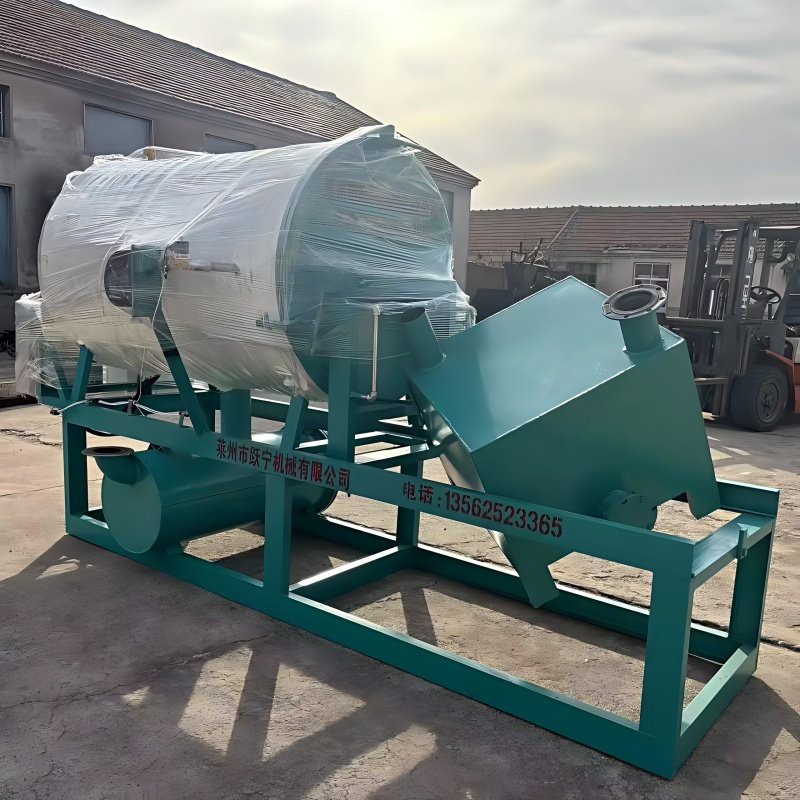
Hydraulic Screen Filter Changer, Plastic Extruder Screen Brush Cleaning Machine, Plastic Machinery Blower For Pelletizing Line