


Plastic Drying Equipment
Short Introduction
Industrial plastic drying equipment removes surface and bound moisture from polymer pellets, regrind, and flakes prior to thermal processing. Retaining moisture in engineering thermoplastics like PA, PET, and PC induces polymer chain hydrolysis during barrel plasticization, resulting in lower tensile strength, silver streaks, and dimensional instability. Modern systems combine continuous closed-loop dehumidification with precise temperature control to maintain moisture levels below critical processing thresholds.
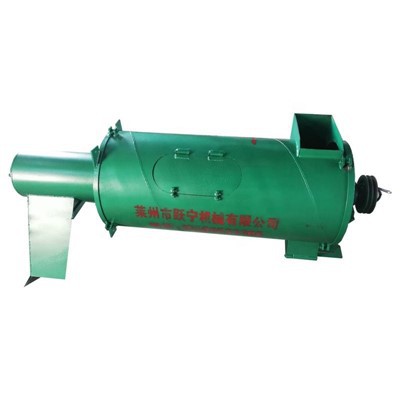
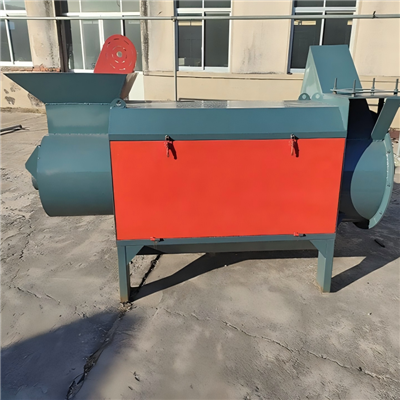

Equipment Range
Honeycomb Dehumidifying Dryers
Continuous-flow units utilizing a molecular sieve rotor to deliver a stable -40 C dew point for hygroscopic resins.
Hot Air Hopper Dryers
Direct-heating units suited for non-hygroscopic resins (PP, PE, PS) running continuous surface-moisture removal.
Cabinet Tray Dryers
Batch-processing units applied for small-batch medical grades, masterbatch pre-conditioning, or engineering plastics requiring extended dwell times.
Central Drying Systems
Multi-hopper configurations fed by a central dehumidifier and conveying network to supply multiple injection molding machines from a single utility station.
Suitable Materials
Hygroscopic Resins: PET, PA6, PA66, PC, ABS, TPU, PBT, PMMA.
Commodity Polymers: PP, HDPE, LDPE, PVC, PS.
Recycled Post-Consumer Resins (PCR): Washed flakes, washed regrind, and densified agglomerates requiring residual moisture eradication before re-extrusion.
Applications
Automotive Component Molding
Drying glass-filled PA66 for structural under-hood brackets and connector housings.
PET Bottle and Preform Production
Maintaining <0.005% moisture in PET resin feeds to prevent intrinsic viscosity drop during injection stretch blow molding (ISBM).
Film and Sheet Extrusion
Supplying uniform, dry granules to cast and blown film lines to eliminate bubble formation and gauge variation.
Plastic Recycling Compounding
Post-washing flake drying integrated upstream of twin-screw compounding extruders.
Dehumidifying dryers operate via a closed-loop drying circuit. Ambient air is drawn through a process filter and passed through a desiccant rotor or dual twin-tower molecular sieve bed, stripping moisture until the dew point reaches -40 C or lower. This dry air is heated to the specific resin processing temperature (80 C to 160 C) and fed into the bottom of an insulated drying hopper. As the air moves upward through the polymer bed, it absorbs moisture from the resin pellets. The moisture-laden air passes through a return air cooler and filter before entering the regeneration cycle, ensuring a continuous loop of dry thermal energy.
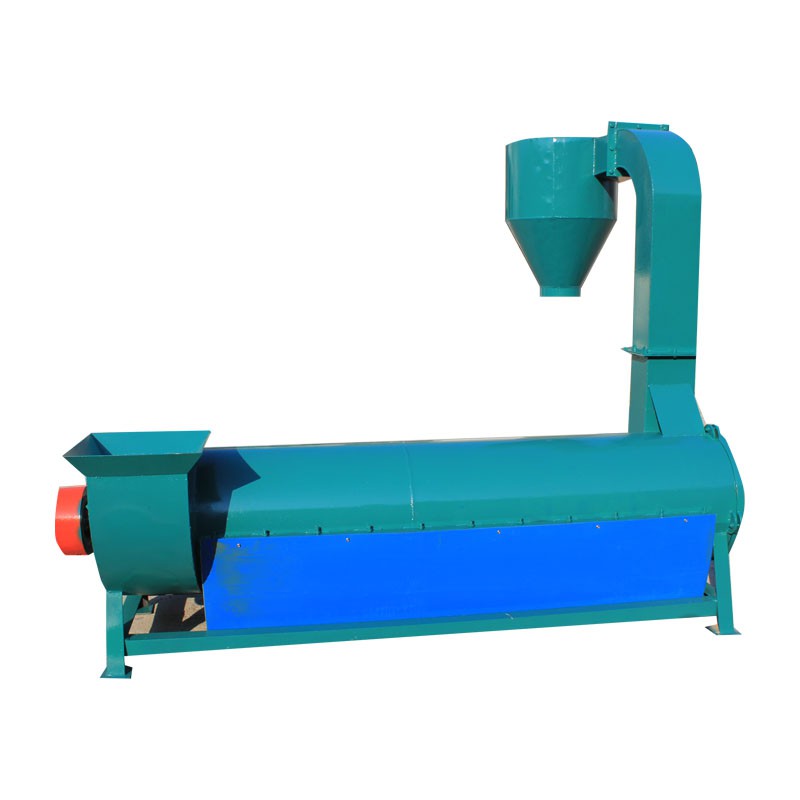
How to Choose
Match Dew Point to Resin Specs: Select -40 C dew point desiccant systems for engineering plastics (PET, PA, PC); use hot air recirculation for surface-moisture-only materials (PP, PE).
Calculate Airflow and Capacity: Determine required hourly throughput (kg/h) and multiply by specific heat and residence time requirements (typically 3 to 4 hours for PET/PA) to size hopper volume (L).
Verify Energy Recovery: Specify closed-loop cooling circuits and variable-speed blowers to reduce kilowatt-hour per kilogram consumption during steady-state operation.
Check Controller Interface: Ensure PLC panels offer real-time dew point monitoring, timer-based startup, and fault logging for temperature deviation.
Integration with Recycling Lines
Recycling lines process washed plastic flakes that carry higher surface moisture and variable bulk densities compared to virgin pellets. Integrating drying equipment requires oversized inlet filters to capture fine dust particles, stainless steel material-contact surfaces to resist corrosion from residual wash-line chemicals, and agitator-equipped hoppers to prevent bridging of irregular regrind flakes. Direct coupling to downstream compounding extruders or crystallizers stabilizes melt feed rates and prevents strand breakage in pelletizing dies.
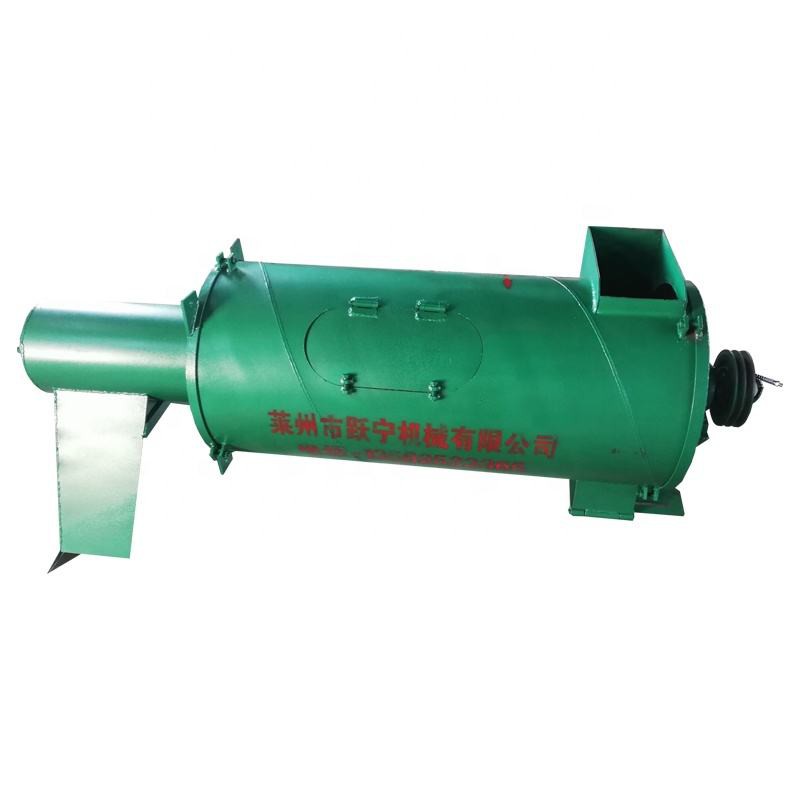
Sheet Metal Fabrication: Laser-cut stainless steel (SUS304) hopper walls welded using argon-arc shielding to prevent air leaks and internal corrosion.
Thermal Insulation: Dual-layer rock wool insulation jackets encased in polished outer sheets to maintain internal thermal stability and limit surface touch temperatures below 40 C.
Pressure Testing: Closed-loop pneumatic ducting tested at 1.5x operating pressure to verify seal integrity.
Electrical Inspection: Control panels wired to CE/UL standards; internal relays, thermocouples, and solid-state power controllers undergo 48-hour burn-in testing prior to assembly.
Overseas Supply & Support
Logistics & Packaging
Export units secured in ISPM 15 compliant fumigated plywood crates with moisture barrier wrapping for ocean transport.
Spare Parts Availability
Critical wear items—including molecular sieve desiccant beds, process filters, heating elements, and solid-state relays—stocked locally or shipped via air express.
Technical Documentation
Comprehensive English manuals containing electrical schematics, PLC logic diagrams, pneumatic layouts, and component BOMs supplied with every machine.
FAQ
As one of the most reliable plastic drying equipment manufacturers in China, we warmly welcome you to buy cheap plastic drying equipment made in China here from our factory. All customized machines are with high quality and low price. For pricelist, contact us now.
Horizontal Plastic Flake Dewaterer, Industrial Plastic Flake Dewatering Machine, Plastic Flake Horizontal Dewatering Machine