

What is the feeding stability of a plastic screw feeder?
What is the feeding stability of a plastic screw feeder?
In the realm of plastic processing, the feeding stability of equipment is crucial for ensuring consistent production quality and efficiency. As a leading supplier of Plastic Screw Feeder, we understand the significance of this aspect and are committed to providing in - depth insights into the feeding stability of our plastic screw feeders.
Understanding the Plastic Screw Feeder
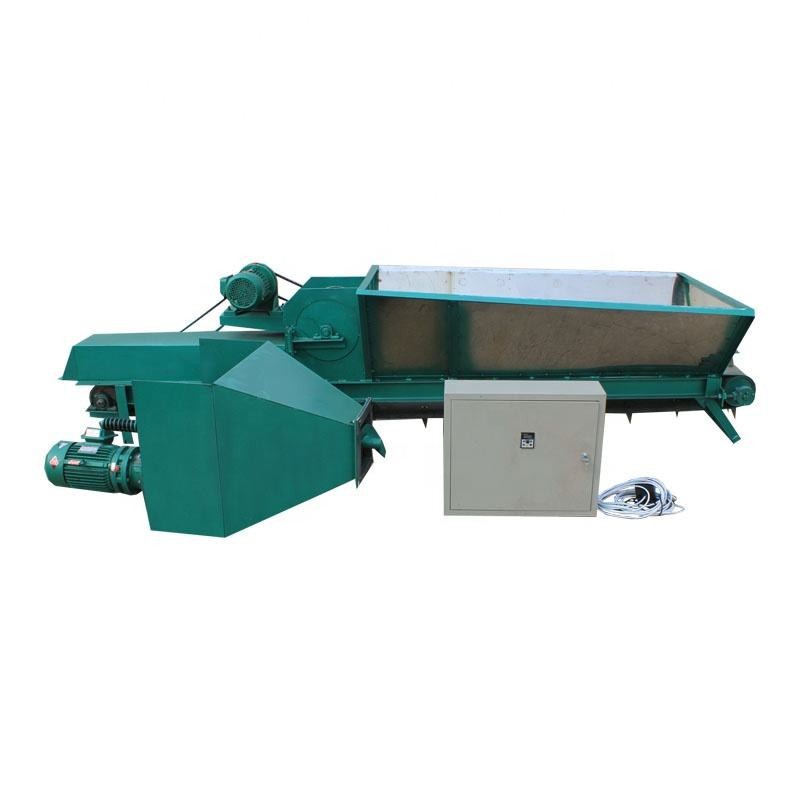
A plastic screw feeder is a device used to transport plastic materials from a storage hopper to a processing machine, such as an extruder or an injection molding machine. It operates on the principle of a rotating screw within a tube or housing. The rotation of the screw moves the plastic material forward in a controlled manner, allowing for a continuous and regulated supply of material to the processing equipment.
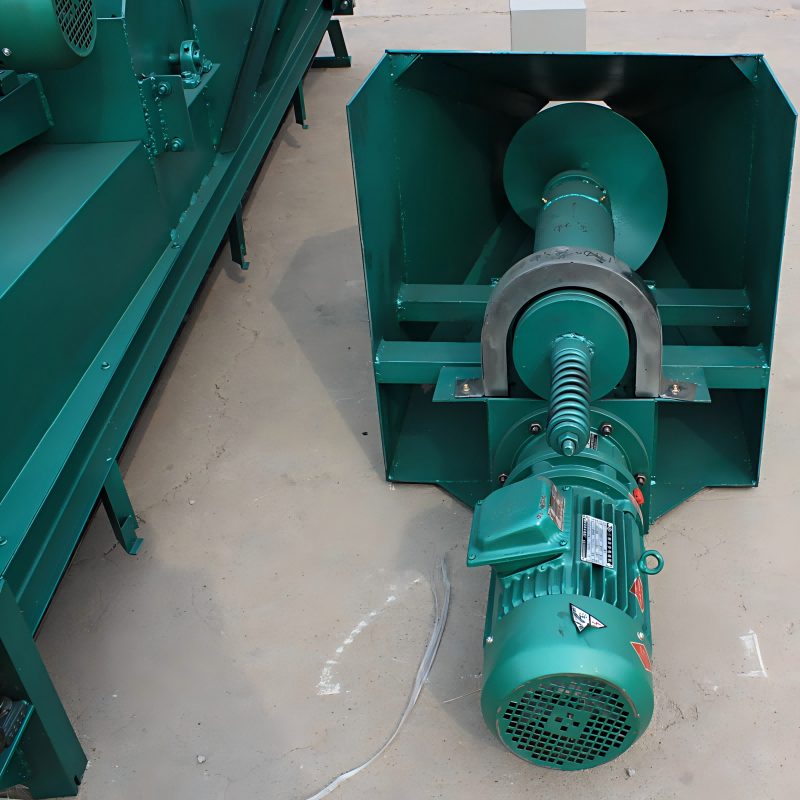
The design of a plastic screw feeder typically consists of a screw, a hopper, a drive mechanism, and a control system. The screw is the core component that directly interacts with the plastic material. Its pitch, diameter, and length are carefully designed based on the characteristics of the plastic material, such as its density, particle size, and flowability. The hopper is used to store the plastic material, and the drive mechanism provides the power for the screw rotation. The control system is responsible for adjusting the rotation speed of the screw, which in turn controls the feeding rate.
Importance of Feeding Stability
Feeding stability is of utmost importance in plastic processing for several reasons:
- Product Quality: Consistent feeding ensures that the same amount of plastic material is delivered to the processing machine at a uniform rate. This is essential for maintaining the quality of the final plastic products. For example, in injection molding, if the feeding rate fluctuates, it can lead to variations in the weight, size, and mechanical properties of the molded parts.
- Production Efficiency: Stable feeding reduces the likelihood of production interruptions. When the feeder provides a continuous and reliable supply of material, the processing machine can operate at its optimal speed, minimizing downtime and increasing overall production efficiency.
- Cost - Effectiveness: By maintaining stable feeding, there is less waste of plastic material. Fluctuations in feeding can result in over - or under - feeding, leading to scrap parts and increased production costs.
Factors Affecting Feeding Stability
- Screw Design: As mentioned earlier, the pitch, diameter, and length of the screw play a crucial role in feeding stability. A screw with an inappropriate pitch may not be able to convey the plastic material smoothly, leading to uneven feeding. For instance, if the pitch is too large, the plastic material may slip between the screw flights, causing inconsistent feeding.
- Material Characteristics: Different plastic materials have different physical properties, such as density, particle size, and moisture content. These properties can significantly affect the flowability of the material and, consequently, the feeding stability. For example, a plastic material with a high moisture content may clump together, making it difficult to feed evenly.
- Drive System: The performance of the drive system, including the motor and the gearbox, can impact the rotation speed of the screw. Any fluctuations in the drive system can cause variations in the feeding rate. A high - quality drive system with precise speed control is essential for maintaining feeding stability.
- Hopper Design: The design of the hopper can also influence feeding stability. If the hopper is not properly designed, it may cause bridging or rat - holing of the plastic material, which can disrupt the flow of material to the screw. A well - designed hopper should have a smooth interior surface and an appropriate shape to ensure a continuous flow of material.
How Our Plastic Screw Feeders Ensure Feeding Stability
As a professional supplier, we have taken several measures to ensure the feeding stability of our Plastic Screw Feeder:
- Advanced Screw Design: Our engineers use state - of - the - art design techniques to optimize the screw parameters for different plastic materials. We conduct extensive research and testing to determine the best screw pitch, diameter, and length combinations to ensure smooth and consistent material conveyance.
- High - Quality Drive System: We source high - performance motors and gearboxes from reputable manufacturers. These components are designed to provide stable and precise power transmission, ensuring a constant rotation speed of the screw.
- Innovative Hopper Design: Our hoppers are designed with anti - bridging and anti - rat - holing features. We use special coatings on the interior surface of the hopper to reduce friction and ensure a continuous flow of plastic material.
- Precise Control System: Our plastic screw feeders are equipped with advanced control systems that allow for accurate adjustment of the feeding rate. The control system can monitor and compensate for any fluctuations in real - time, ensuring stable feeding under various operating conditions.
Comparison with Other Plastic Feeding Equipment
In the market, there are other types of plastic feeding equipment, such as Plastic Automatic Feeding Machine, Plastic Belt Conveyor, and Forced Feeding Machine. Each type of equipment has its own advantages and disadvantages in terms of feeding stability.
- Plastic Automatic Feeding Machine: This type of equipment is suitable for applications where a high degree of automation is required. However, it may be more complex in structure and more prone to malfunctions, which can affect feeding stability.
- Plastic Belt Conveyor: Belt conveyors are commonly used for transporting large volumes of plastic materials over long distances. However, they may have limitations in terms of precise feeding control, especially for small - scale or high - precision plastic processing.
- Forced Feeding Machine: Forced feeding machines can provide a high feeding pressure, which is suitable for some difficult - to - feed plastic materials. However, they may also cause more wear and tear on the equipment and may require more maintenance, which can impact feeding stability in the long run.
Compared with these other types of equipment, our plastic screw feeders offer a good balance of feeding stability, precision, and reliability. They are relatively simple in structure, easy to operate and maintain, and can be customized to meet the specific requirements of different plastic processing applications.
Conclusion
In conclusion, the feeding stability of a plastic screw feeder is a critical factor in plastic processing. It directly affects the quality, efficiency, and cost - effectiveness of production. As a trusted supplier of Plastic Screw Feeder, we are dedicated to providing high - quality products that ensure stable and reliable feeding. Our advanced design, high - quality components, and precise control systems make our plastic screw feeders the ideal choice for plastic processing enterprises.
If you are interested in our plastic screw feeders or have any questions about feeding stability in plastic processing, please feel free to contact us for further discussions and procurement negotiations. We are committed to providing you with the best solutions and services to meet your production needs.
References
- Smith, J. (2018). Plastic Processing Equipment Handbook. New York: Industrial Press.
- Johnson, R. (2019). Feeding Systems in Plastic Manufacturing. London: Elsevier.
- Brown, A. (2020). Advances in Plastic Feeding Technology. Tokyo: Springer.