

How does a plastic automatic feeding machine prevent material blockages?
Hey there! As a supplier of Plastic Automatic Feeding Machines, I've seen firsthand how frustrating material blockages can be. They can slow down production, cause downtime, and even lead to costly repairs. That's why I'm excited to share some of the ways our machines prevent these pesky blockages.
1. Design Features
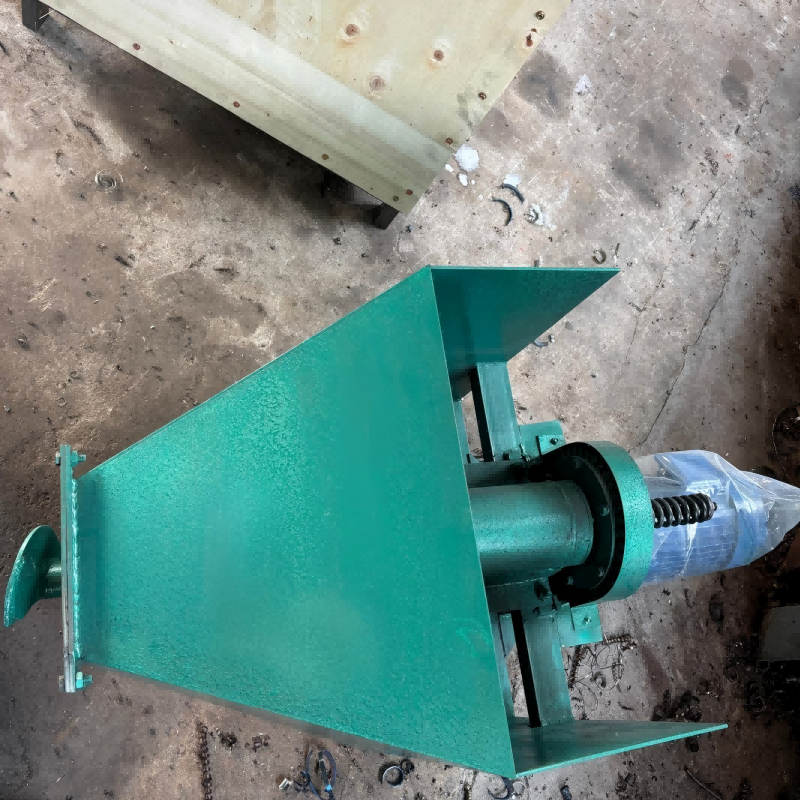
One of the key ways our Plastic Automatic Feeding Machine prevents blockages is through its smart design. The hopper, which is where the plastic material is loaded, is designed with a sloped shape. This slope helps the material to flow down naturally towards the feeding mechanism, reducing the chances of it piling up and causing a blockage.
The feeding mechanism itself is another crucial part of the design. We use a Plastic Screw Feeder in many of our machines. The screw is carefully engineered to move the plastic material smoothly and steadily. The pitch of the screw is optimized to match the characteristics of different types of plastic, ensuring that the material is transported efficiently without getting stuck.
In addition, the internal walls of the machine are made of a special anti - static and low - friction material. This prevents the plastic particles from sticking to the walls, which is a common cause of blockages. The smooth surface allows the material to slide through easily, keeping the flow consistent.
2. Precise Control Systems
Our machines are equipped with advanced control systems that play a vital role in preventing blockages. The speed of the feeding mechanism is precisely controlled based on the type and quantity of the plastic material. For example, if we're dealing with a more viscous plastic, the feeding speed can be adjusted to a slower rate to ensure that the material has enough time to move through the system without clogging.
The control system also monitors the pressure inside the machine. If the pressure starts to build up, which could indicate a potential blockage, the system can automatically adjust the feeding parameters. It might slow down the feeding speed, increase the vibration (more on that later), or even stop the feeding process temporarily to clear the blockage.
3. Vibration Technology
Vibration is a powerful tool in preventing material blockages. Our Plastic Automatic Feeding Machines are fitted with vibration devices. These vibrations are applied to the hopper and other parts of the machine at strategic intervals.
The vibrations help to break up any clumps of plastic material that might be forming. They also ensure that the material remains loose and free - flowing. By continuously vibrating the hopper, we can prevent the material from bridging over, which is when the plastic forms an arch over the opening in the hopper, blocking the flow.
4. Regular Maintenance and Cleaning
While our machines are designed to prevent blockages, regular maintenance and cleaning are still essential. We provide detailed maintenance guides to our customers, which include instructions on how to clean the machine, check for any signs of wear and tear, and replace parts if necessary.
For example, the Plastic Belt Conveyor, if used in the feeding system, needs to be cleaned regularly to remove any plastic residues. Over time, these residues can build up and cause the belt to slip or the material to get stuck.
We also recommend that our customers inspect the screw feeder regularly. If the screw is damaged or worn out, it might not be able to move the material effectively, leading to blockages. By replacing the screw at the right time, the machine can continue to operate smoothly.
5. Compatibility with Different Materials
Different types of plastic have different properties, such as size, shape, density, and viscosity. Our Plastic Automatic Feeding Machine is designed to be compatible with a wide range of plastic materials. This is important because a machine that can handle different materials without blockages is more versatile and useful for different production needs.
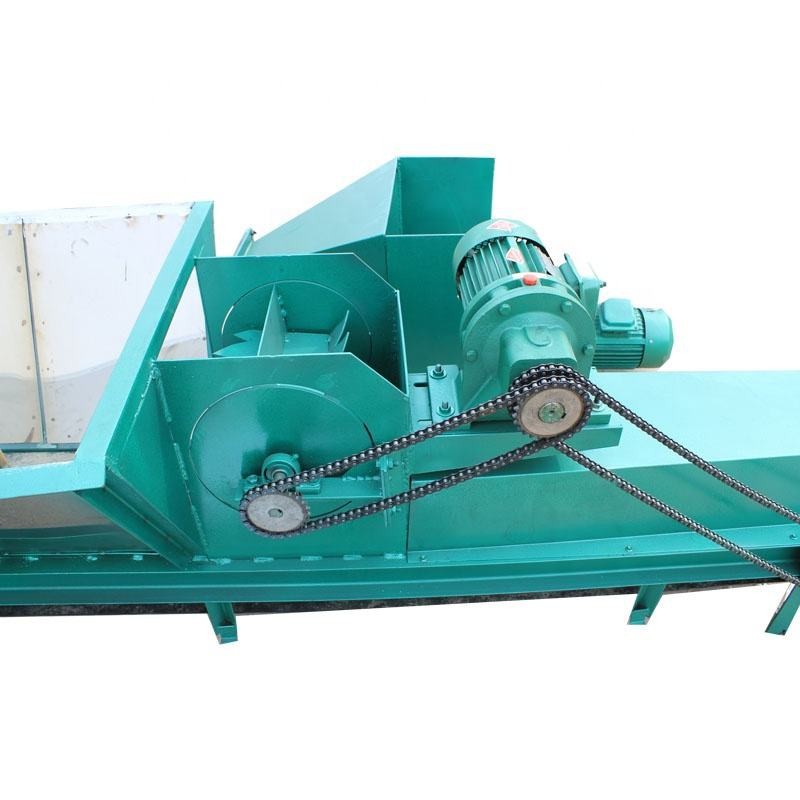
For instance, if a customer is using small, granular plastic particles one day and larger, more irregularly shaped plastic pieces the next, our machine can adjust to these changes. The control system can detect the differences in the material and adjust the feeding speed, vibration intensity, and other parameters accordingly.
6. Air Injection Systems
Some of our more advanced models are equipped with air injection systems. These systems work by injecting a small amount of compressed air into the feeding path. The air helps to break up any clumps of plastic and also provides an extra push to keep the material moving.
The air injection can be adjusted according to the type of plastic and the feeding conditions. For example, for a very dense plastic, a higher - pressure air injection might be required to ensure that the material continues to flow smoothly.
7. Monitoring and Alerts
Our machines come with built - in monitoring systems that can detect potential blockages in real - time. These systems use sensors to measure various parameters such as feeding speed, pressure, and material flow. If any of these parameters deviate from the normal range, an alert is sent to the operator.
This early warning system allows the operator to take action before the blockage becomes severe. They can stop the machine, inspect the feeding path, and clear any minor blockages before they cause significant disruptions to the production process.
Contact Us for More Information
If you're interested in learning more about how our Plastic Automatic Feeding Machine can prevent material blockages and improve your production efficiency, I'd love to hear from you. We also have a range of other products like the Forced Feeding Machine that might suit your specific needs.
Contact us to discuss your requirements and get a customized solution for your plastic feeding needs. Whether you're a small - scale producer or a large manufacturing plant, we have the expertise and the products to help you keep your production running smoothly.
References
- Industry research on plastic feeding machine design and performance.
- Internal test reports on the effectiveness of different blockage - prevention methods.
- Customer feedback and case studies on the use of our Plastic Automatic Feeding Machines.
No Information