

What is the vibration level of a High Speed Friction Washer during operation?
As a supplier of High Speed Friction Washers, I often receive inquiries from customers about various aspects of the machine, and one question that frequently comes up is: What is the vibration level of a High Speed Friction Washer during operation? In this blog post, I'll delve into this topic in detail, exploring the factors that influence vibration levels, the significance of vibration control, and how our products stand out in this aspect.
Understanding the Basics of Vibration in High Speed Friction Washers
To begin with, it's essential to understand what causes vibration in a High Speed Friction Washer. The operation of a High Speed Friction Washer involves rotating components at high speeds. These components, such as the drum or the agitator, create forces that can result in vibrations. For instance, if the rotating parts are not perfectly balanced, it can lead to uneven distribution of mass, causing the machine to vibrate.
When we talk about vibration in the context of a High Speed Friction Washer, we are referring to the mechanical oscillations that occur during its operation. Vibration can be measured in terms of amplitude (the maximum displacement from the equilibrium position) and frequency (the number of oscillations per unit time). Different frequencies of vibration can have different effects on the machine and its surroundings.
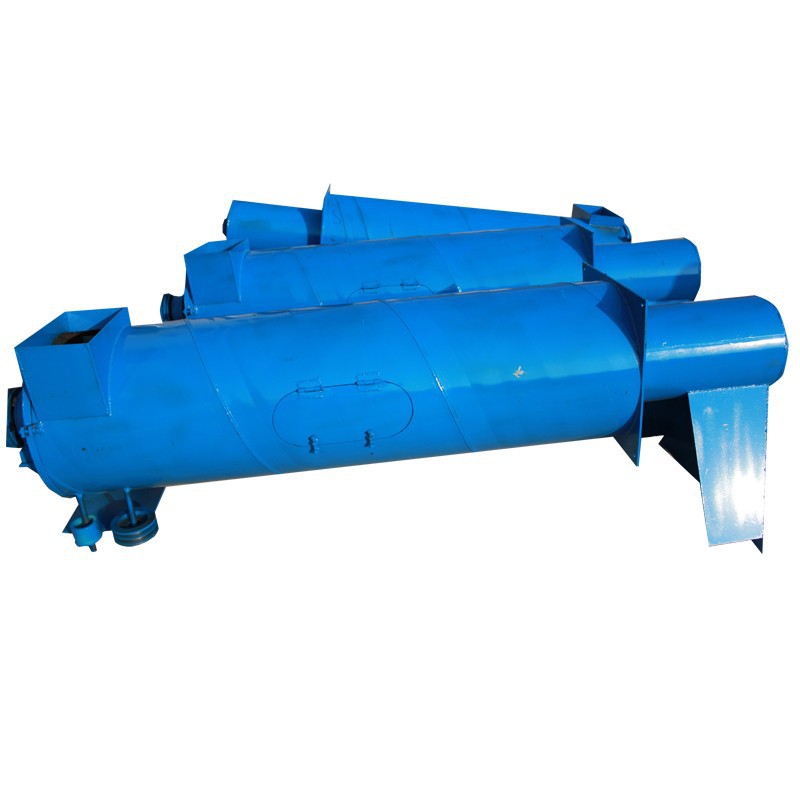

Factors Influencing Vibration Levels
1. Rotational Speed
The rotational speed of the High Speed Friction Washer is one of the most significant factors affecting vibration levels. As the speed increases, the centrifugal forces acting on the rotating components also increase. This can lead to higher amplitude vibrations. For example, if the speed is too high for the machine's design specifications, it may cause excessive vibration that can damage the machine's structure and reduce its service life. Our High Speed Friction Washers are engineered to operate at optimal speeds, which are carefully calibrated to minimize vibration while maintaining high cleaning efficiency.
2. Component Balance
The balance of the rotating components is crucial for reducing vibration. Any imbalance in the drum or the agitator can cause the machine to vibrate. During the manufacturing process, we use advanced balancing techniques to ensure that all rotating parts are as balanced as possible. This helps to keep the vibration levels within acceptable limits. Regular maintenance, such as checking and adjusting the balance of the components, is also essential to prevent an increase in vibration over time.
3. Installation and Mounting
Proper installation and mounting of the High Speed Friction Washer can significantly affect its vibration levels. If the machine is not installed on a flat and stable surface, it can cause uneven forces to act on the machine, leading to increased vibration. We provide detailed installation instructions to our customers to ensure that the machine is installed correctly. Additionally, we offer optional anti - vibration mounts that can further reduce the transmission of vibration to the surrounding environment.
4. Load Distribution
The way the load is distributed inside the High Speed Friction Washer can also impact vibration levels. An unevenly distributed load can cause the machine to vibrate more than normal. Our machines are designed with features to encourage even load distribution, but it's still important for operators to follow the recommended loading guidelines. For example, not overloading the machine and ensuring that the plastic materials are evenly spread inside the drum can help to minimize vibration.
Importance of Controlling Vibration Levels
1. Equipment Durability
High vibration levels can have a detrimental effect on the durability of the High Speed Friction Washer. Excessive vibration can cause wear and tear on the machine's components, such as bearings, shafts, and gears. This can lead to premature failure of these parts, increasing maintenance costs and downtime. By controlling vibration levels, we can extend the service life of our machines, providing our customers with a more reliable and cost - effective solution.
2. Operator Safety
In addition to affecting the machine, excessive vibration can also pose a risk to the operators. Long - term exposure to high - level vibrations can cause health problems, such as hand - arm vibration syndrome or whole - body vibration disorders. By minimizing vibration levels, we ensure a safer working environment for the operators of our High Speed Friction Washers.
3. Surrounding Environment
The vibration generated by the High Speed Friction Washer can also affect the surrounding environment. If the vibration is transmitted to the floor or other structures, it can cause noise and disruptions. This is especially important in industrial settings where multiple machines are operating in close proximity. By keeping vibration levels low, we can reduce the impact on the surrounding environment and comply with relevant environmental regulations.
How Our High Speed Friction Washers Excel in Vibration Control
Our company takes pride in the design and manufacturing of High Speed Friction Washers that are known for their low vibration levels. We use state - of - the - art technology and high - quality materials to ensure the balance and stability of our machines.
1. Precision Engineering
Our engineers pay close attention to every detail during the design and manufacturing process. They use advanced computer - aided design (CAD) and simulation tools to optimize the balance of the rotating components. This allows us to predict and minimize vibration during the design phase, ensuring that our machines meet the highest standards of performance.
2. High - Quality Components
We source high - quality components for our High Speed Friction Washers to ensure their reliability and low - vibration operation. For example, we use precision - machined bearings and shafts that are designed to withstand high - speed rotation with minimal vibration. These high - quality components contribute to the overall stability and performance of the machine.
3. Testing and Quality Assurance
Before our High Speed Friction Washers are shipped to customers, they undergo rigorous testing to ensure that they meet our vibration control standards. We use advanced vibration measurement equipment to measure the vibration levels of each machine under different operating conditions. Only machines that pass our strict quality assurance tests are released for sale.
Related Products in Our Plastic Cleaning Equipment Line
In addition to our High Speed Friction Washers, we also offer a range of other plastic cleaning equipment that is designed to work in tandem with our High Speed Friction Washers. These include PP PE Washing Machines, Plastic Bottle Washing Machines, and Dehydration and Lifting Machines. Each of these products is designed with the same attention to detail and quality as our High Speed Friction Washers, ensuring efficient and reliable plastic cleaning processes.
Conclusion and Call to Action
In conclusion, the vibration level of a High Speed Friction Washer during operation is influenced by several factors, including rotational speed, component balance, installation, and load distribution. Controlling vibration levels is crucial for equipment durability, operator safety, and the surrounding environment. Our company's High Speed Friction Washers are engineered to have low vibration levels through precision engineering, the use of high - quality components, and rigorous testing.
If you are in the market for a high - quality High Speed Friction Washer or other plastic cleaning equipment, we would be delighted to have a discussion with you. Contact us to learn more about our products and how they can meet your specific needs. Let's work together to find the best solution for your plastic cleaning requirements.
References
- McDonnell, K. F. (2018). Mechanical Vibrations: Theory and Applications. Wiley.
- Meirovitch, L. (2001). Fundamentals of Vibrations. McGraw - Hill.
No Information